DESTRUCTION OF OBJECTS


Video, Photo, Installation, 2019
In collaboration with Mitya Churikov

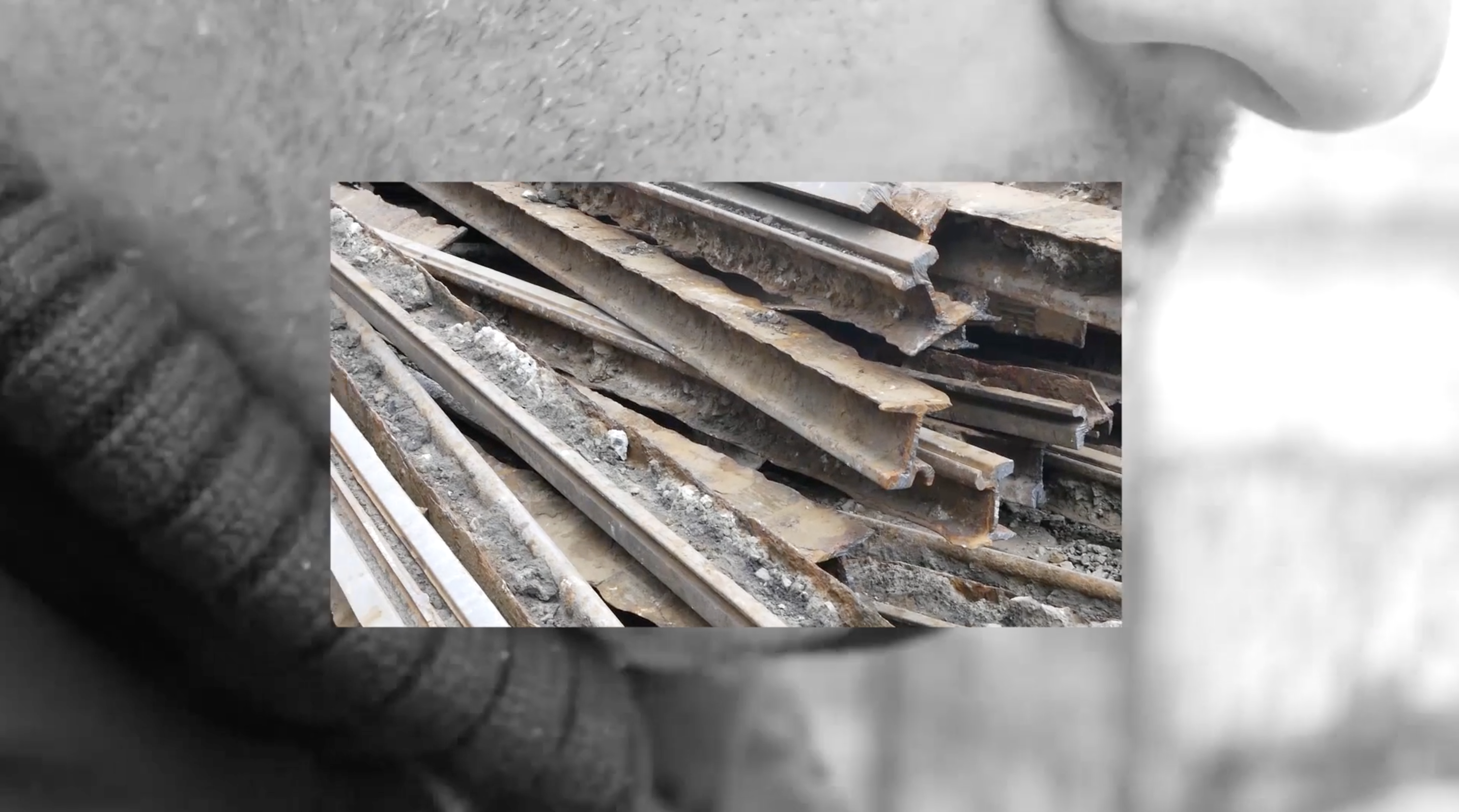
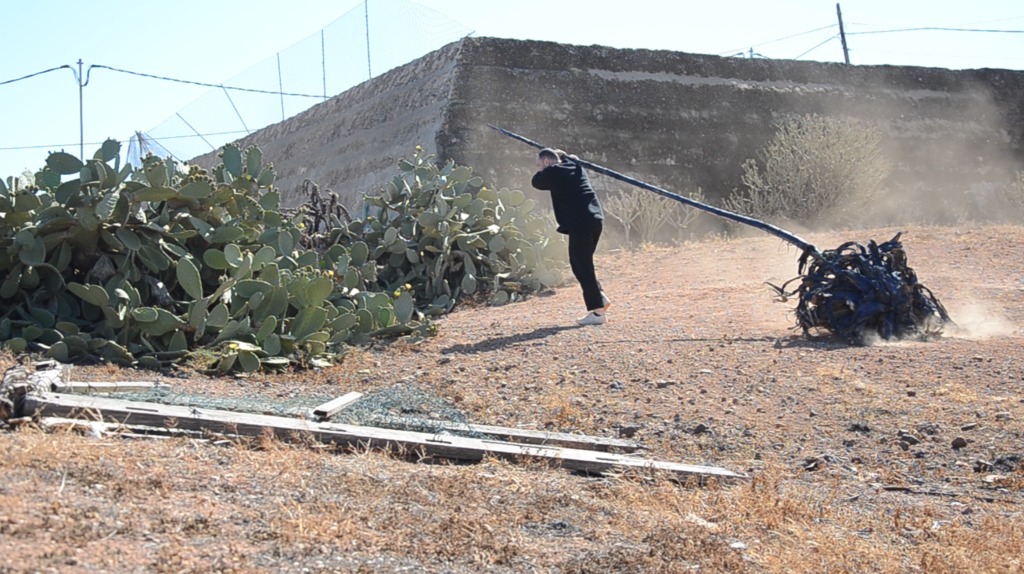
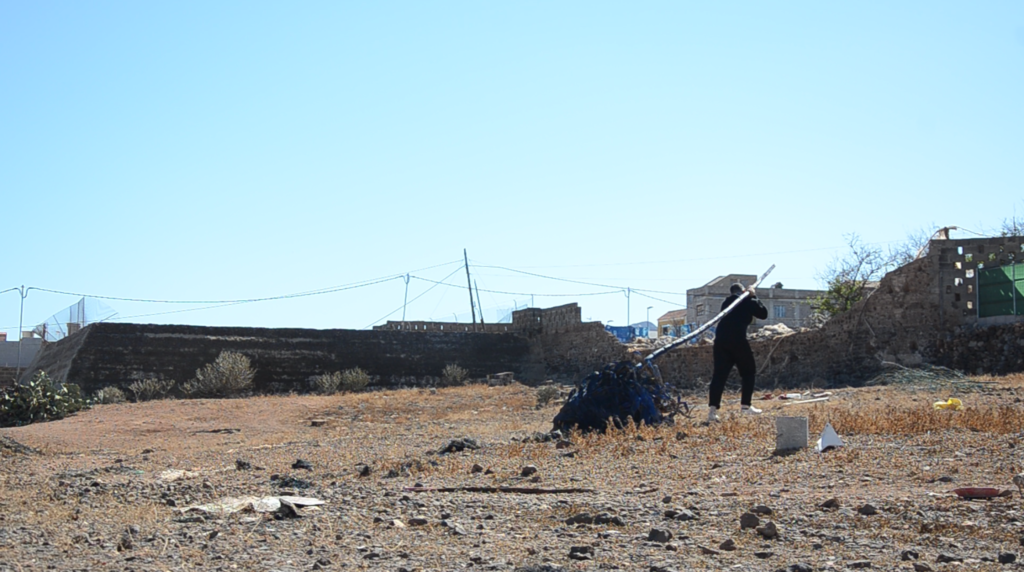
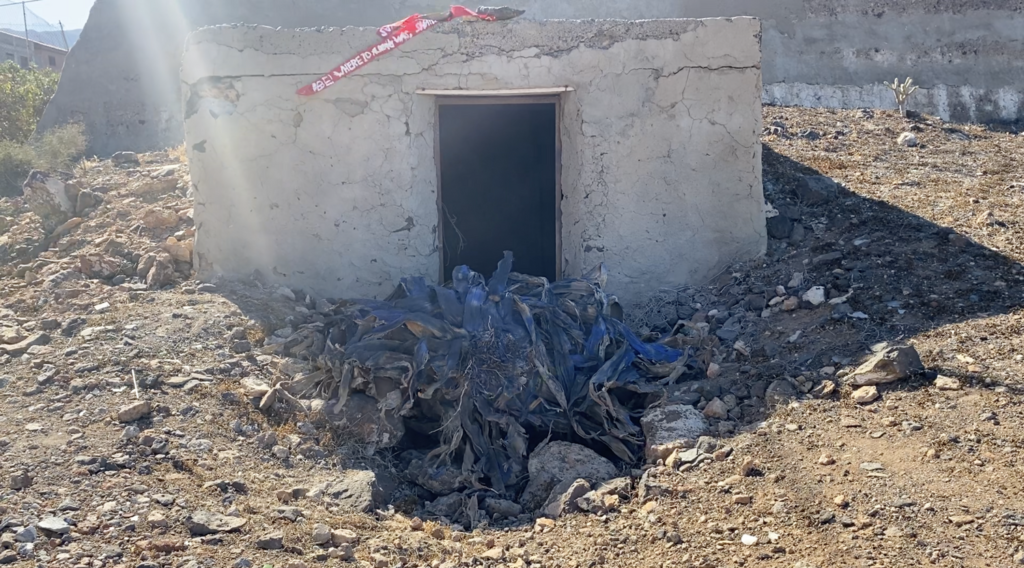
Harri Kraievets & Mitya Churikov’s collaboration was inspired by deconstructivist symbolism, visual language, and decorative elements. Based on the methods of object-oriented philosophy and speculative realism, the artists studied the interaction of objects in the urban landscape. Permanent psychogeographical journeys by the same street, taking place during several years, have become the outcome of this research. For the first time in Ukraine, the authors presented film clips and photographic material made during this long-lasting work.

Their research is concentrated around the object, failing ever more because of the liberalisation of its symbiosis. In art and history, the object turns into a parody of itself because of being boiled down to specific formulas accessible to anyone. The duo attempts to revitalize the objects that were thrown away, lost their primary function and idea, becoming weird and unusable. In this work, there are elements of the so-called Anthropocene, I.e. objects containing humanity as their crucial component. Trying to find something human in the lonely objects, the artists make an attempt to wake them up, instigating a rebellion against the non-humane attitude people show to the things they consider waste.
STAND UP AND RECLAIM YOUR RIGHT!

Video, Odesa Fine Arts Museum, 2020

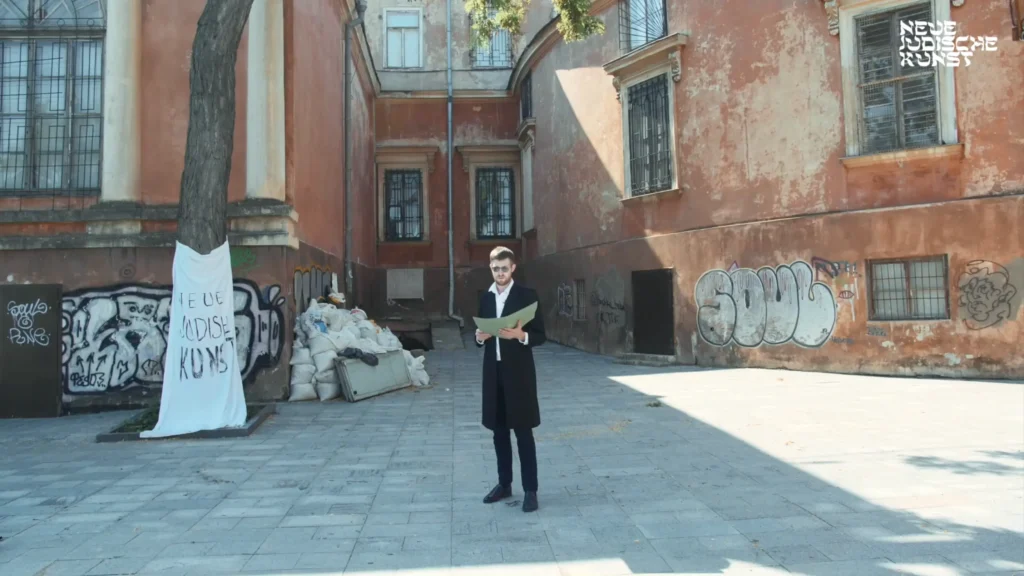
Manifest of Neue Judische Kunst

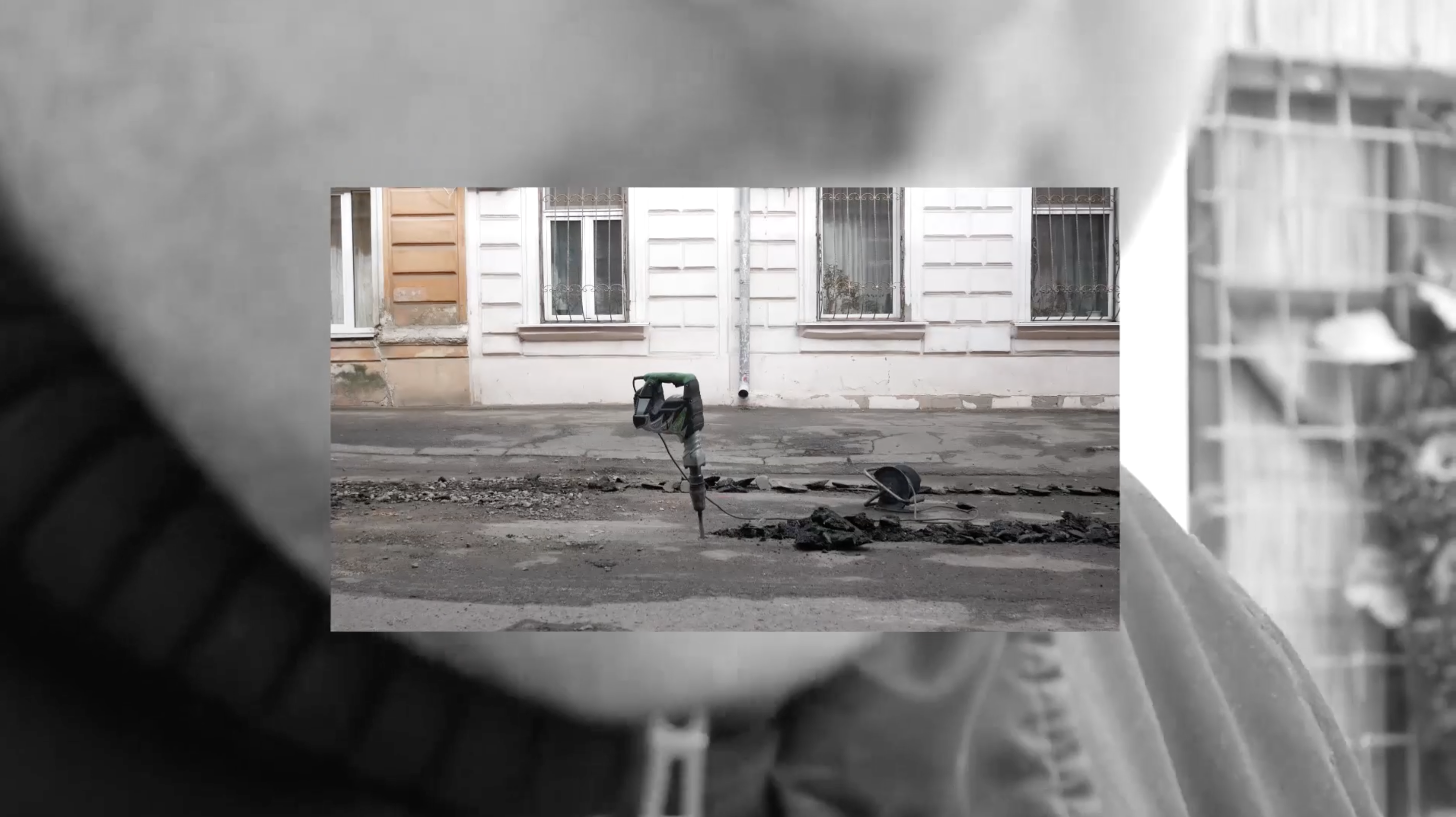
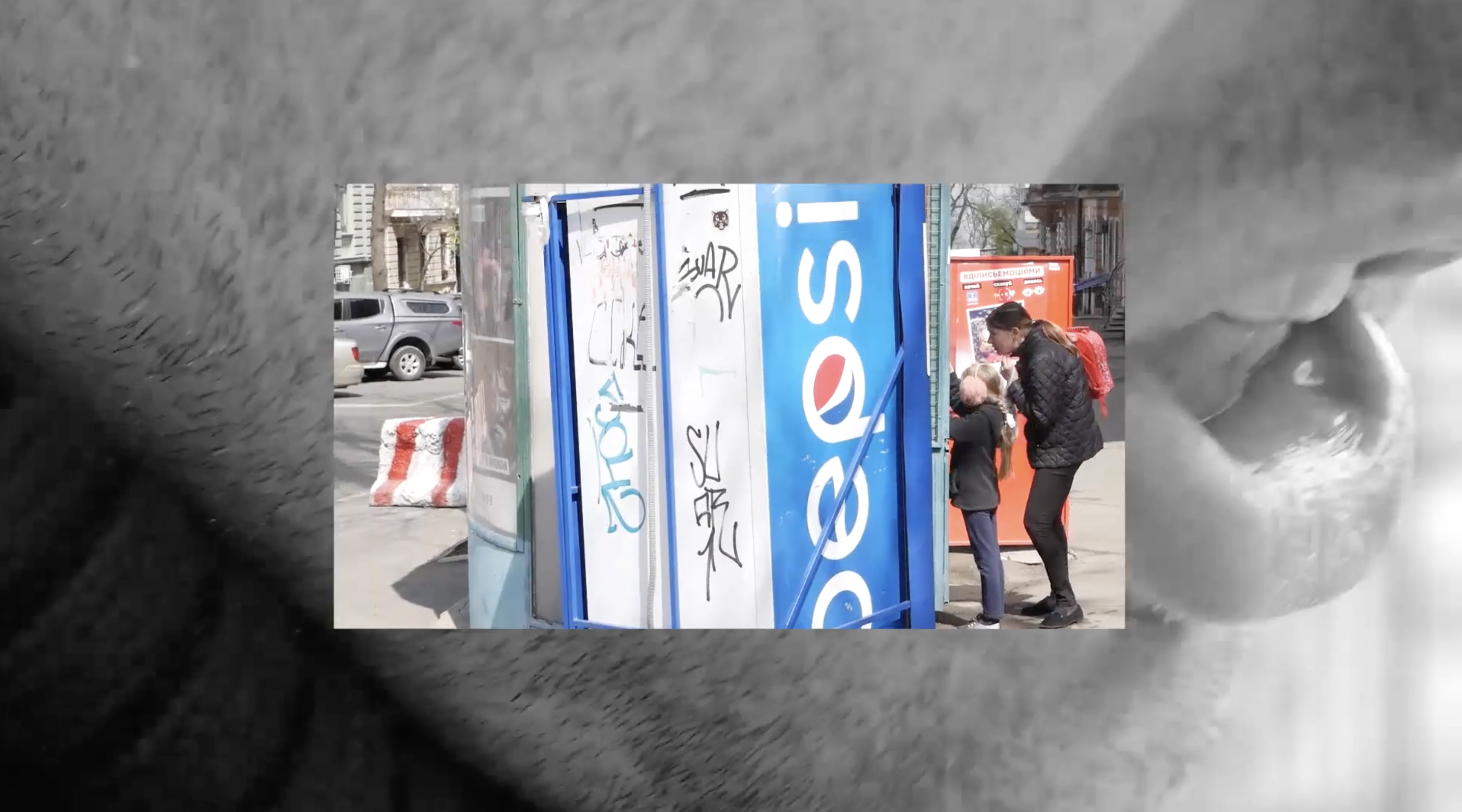
My name is David Magen. I am the speaker for the cultural association Neue Judische Kunst. Today, we’re facing the end of history. These noisy days call for counting and reevaluating casualties culture workers have suffered. It’s time to wake the political and esthetical consciousness. We are raising our banner in Kyiv high enough to be seen from the Donbas, the Carpathians, the left and the right banks of Dnipro, Southern Palmiras. Neue Judische Kunst committee has decided to revive Sorosyan trade union that previously rallied those who constitute Neue Judische Kunst today. The established circumstances have posed the question: who if not we?
We want to act as righteous, though faceless, revolutionaries. We may not have every trump in our hands, but we’ve got a great goal in our hearts, which is to rise a revolution!
We’re ready to become fuel to start a fire in the huge, stagnant industry.
Stand up to protect the white Jewish boy, bending over backwards to repress his will to trample the rats and take his revenge for racism that has flooded the techno scene in Kyiv.
Dark circles around the eyes, trembling hands. Willful and determined, we’ve been sacrificing our lives on the altar of the common cause for 5 years. Now it’s time to reap the rewards.

Will we be lucky enough to appreciate the fruits of our effort?

Will we be defiant enough so as to crush the political dancers accusing us of peddling trash?

Will we be strong enough so as to put an end to these schlockmeisters?

To step on their throats, to rip out the lump of indifference lodging in our throats, to regain the heritage that belongs to the people by right!

Wake up, you honest man!

Stand guard over the truth with springiness and thrift!

I remember the days spent by the Potemkin stairs. Back then, we took our place on the stage. We won back the right to make honest statements. We retrieved the narrative.
Don’t stand on someone else’s scene! Our time demands for radical action. We’re waiting for the speakers able to protect us from the filthy hands of formalists, sacred scholars, constructors, and the offspring of SS!
Wake up you lively chatty lad, cry out in unison with the crowd. Big round ears, big round eyes, the betrayingly mispronounced ‘r’.
Stand up and reclaim your right!

Translated text from video.

WHAT IS NEUE JÜDISCHE KUNST?

Video documentation of the performance, 2020

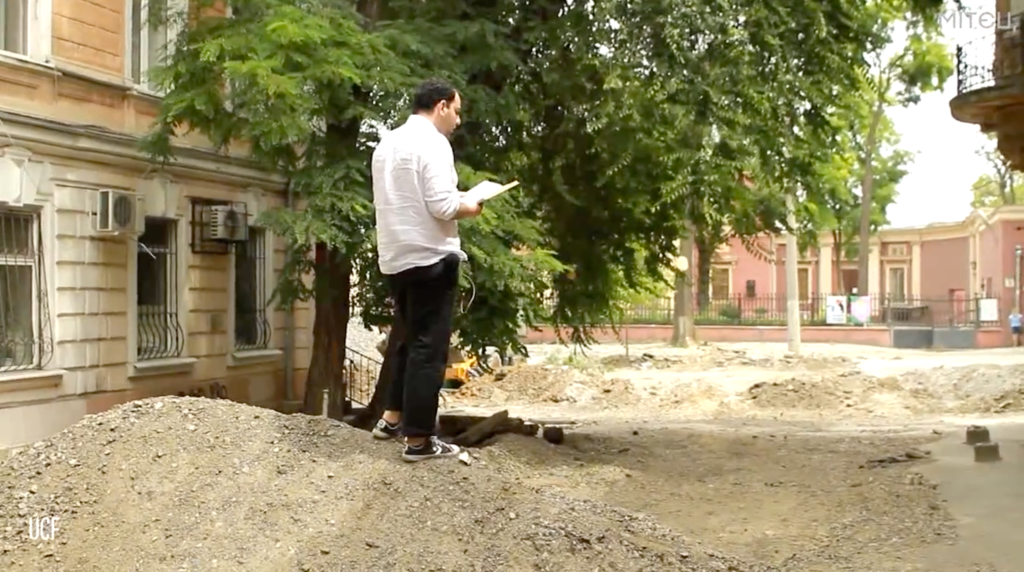
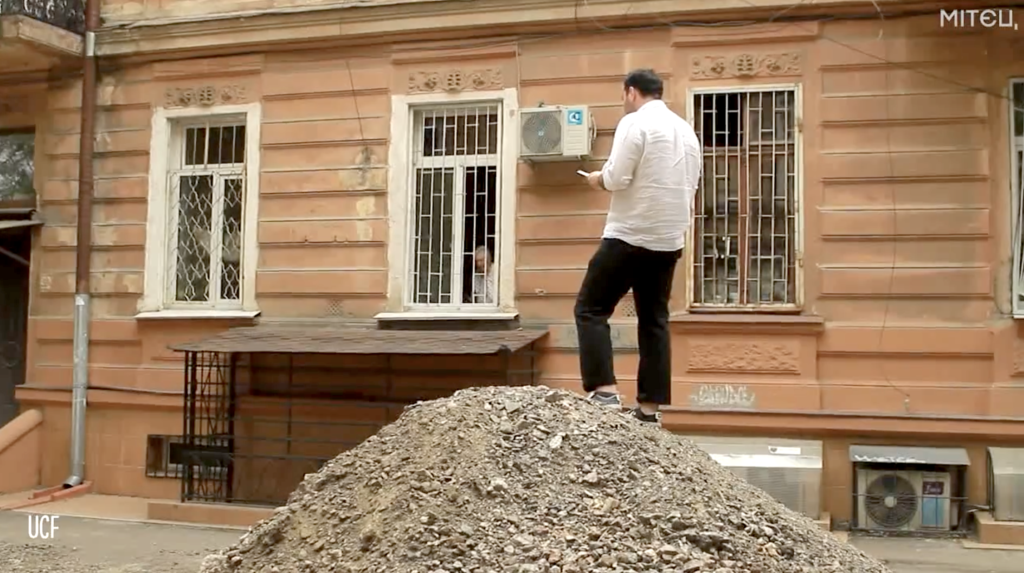
Reading the story “Religion about Tachanka” by Isaac Babel on the hill.
For me, this is a very important book. It seems to me that this is a good code and decipher to what is happening in the new Jewish art. The new Jewish art is a joke and a way of pointing out the tendentiousness of art to be modernist.

I think that this is the direct embodiment of the discourse about the new. At the same time, everything that we do does not contain the promise of something new, it is more tied to some object, a look at the object, and when you look at it, there is no new meaning there.
Harri Kraievets


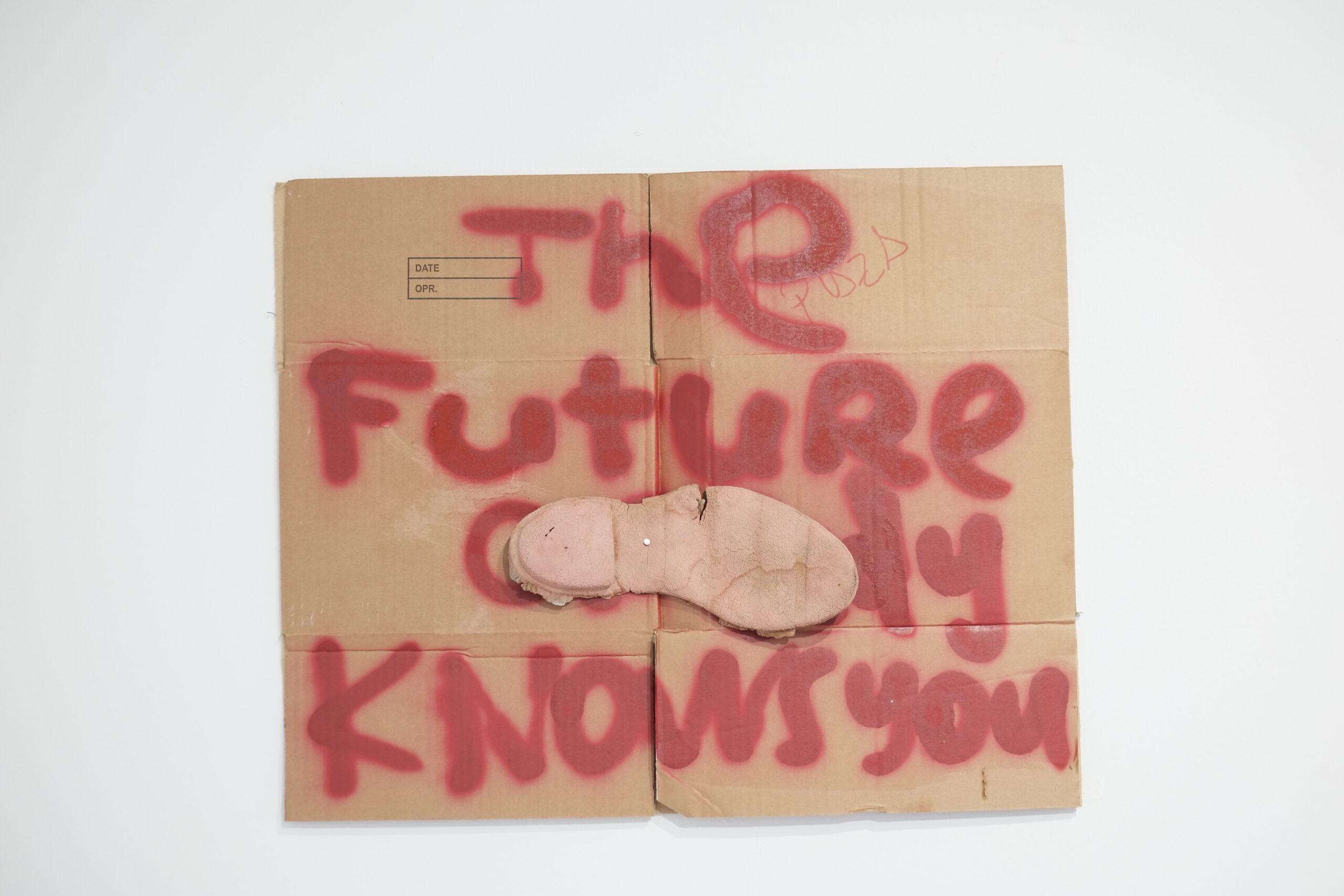
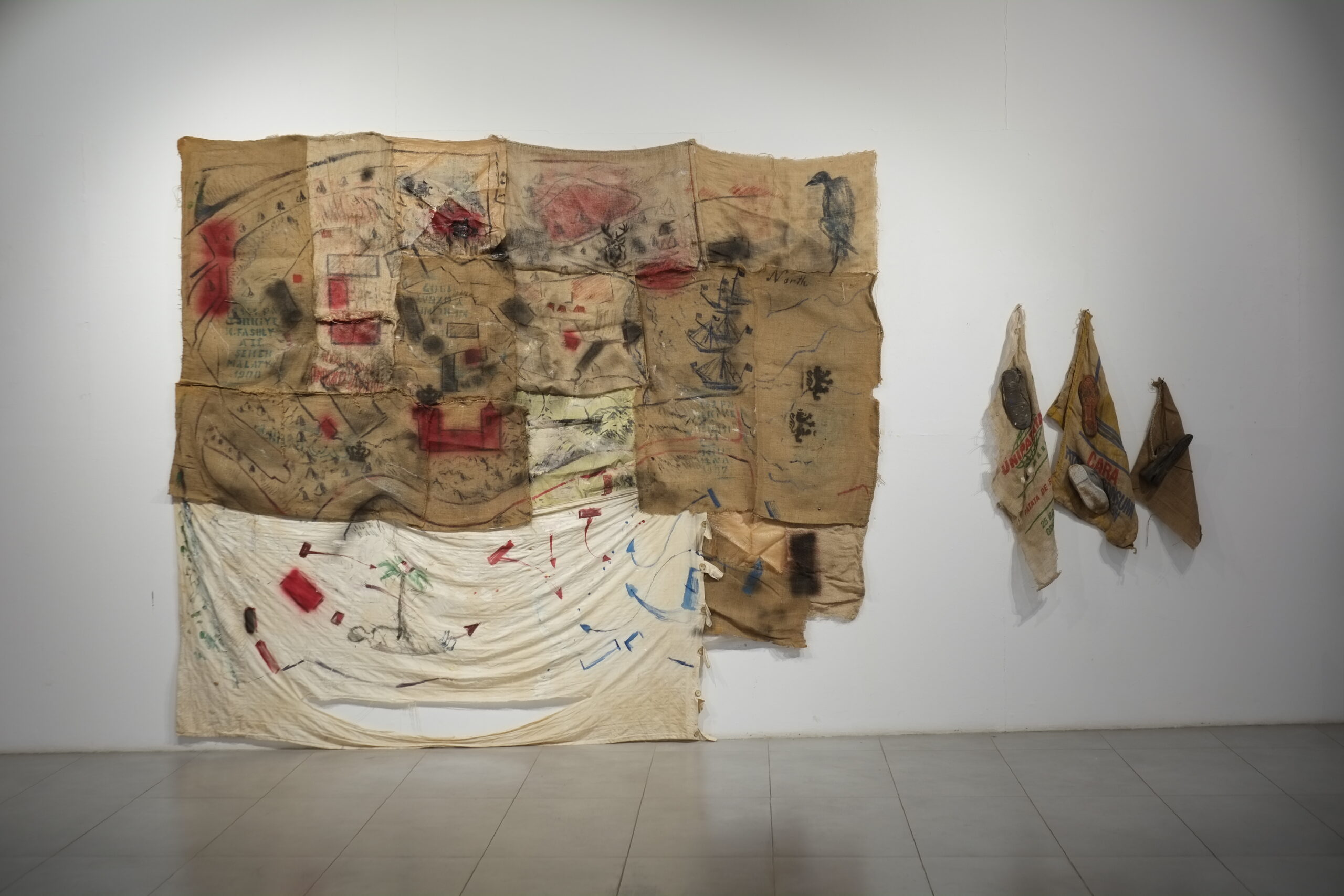
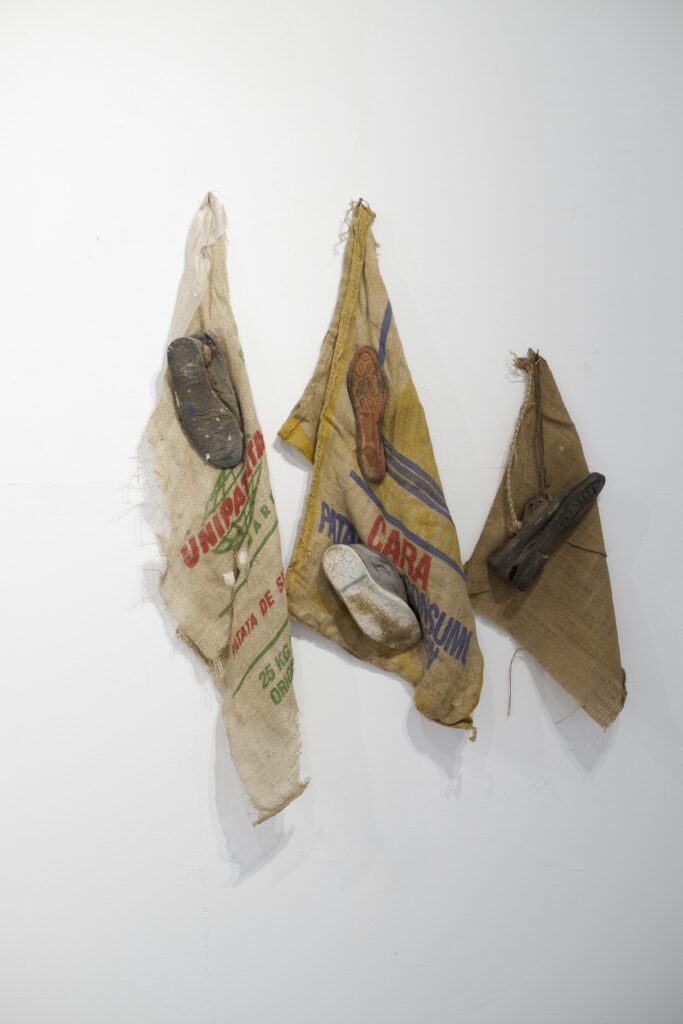
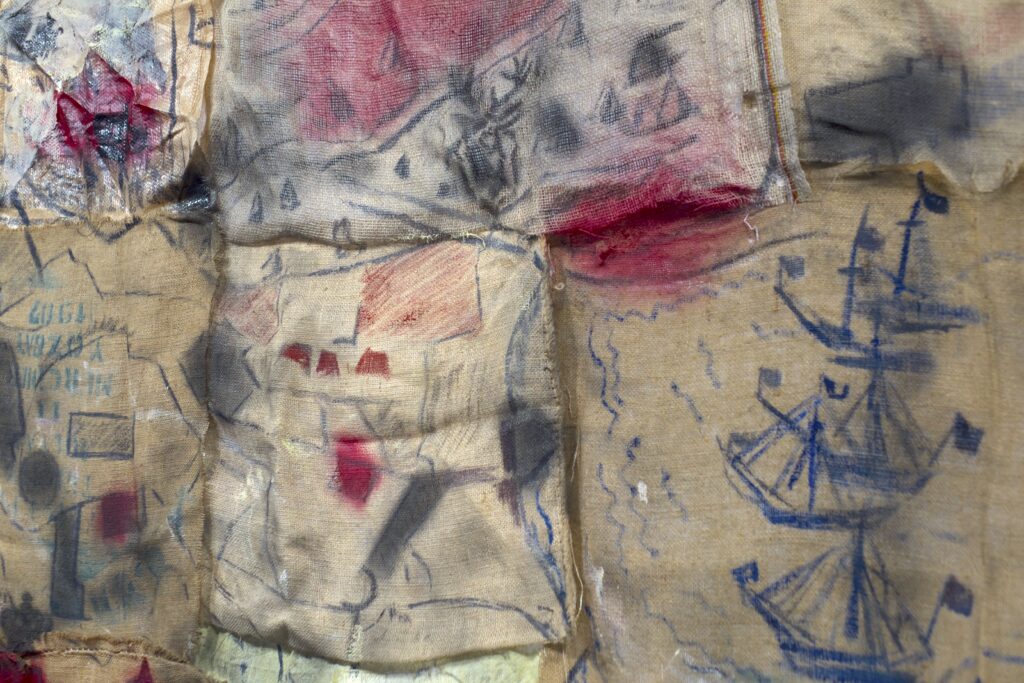
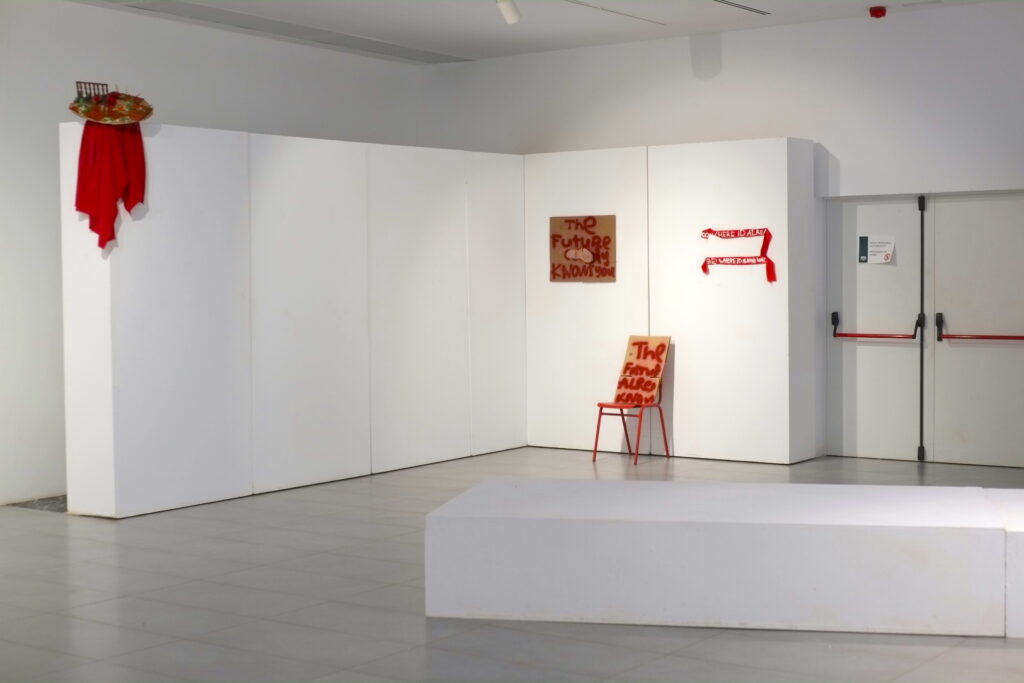
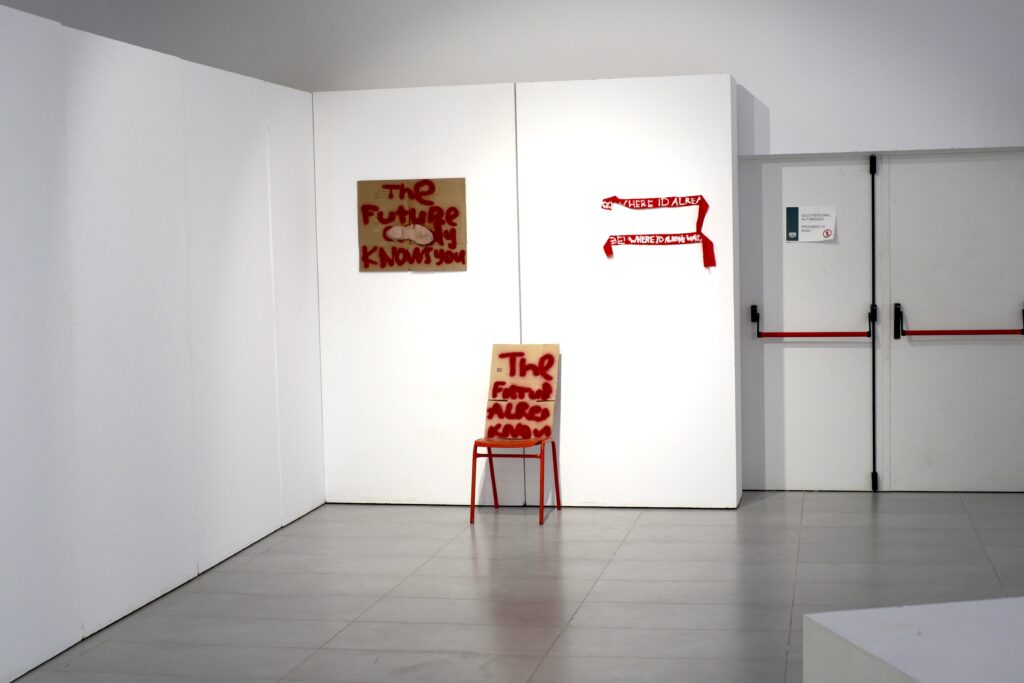
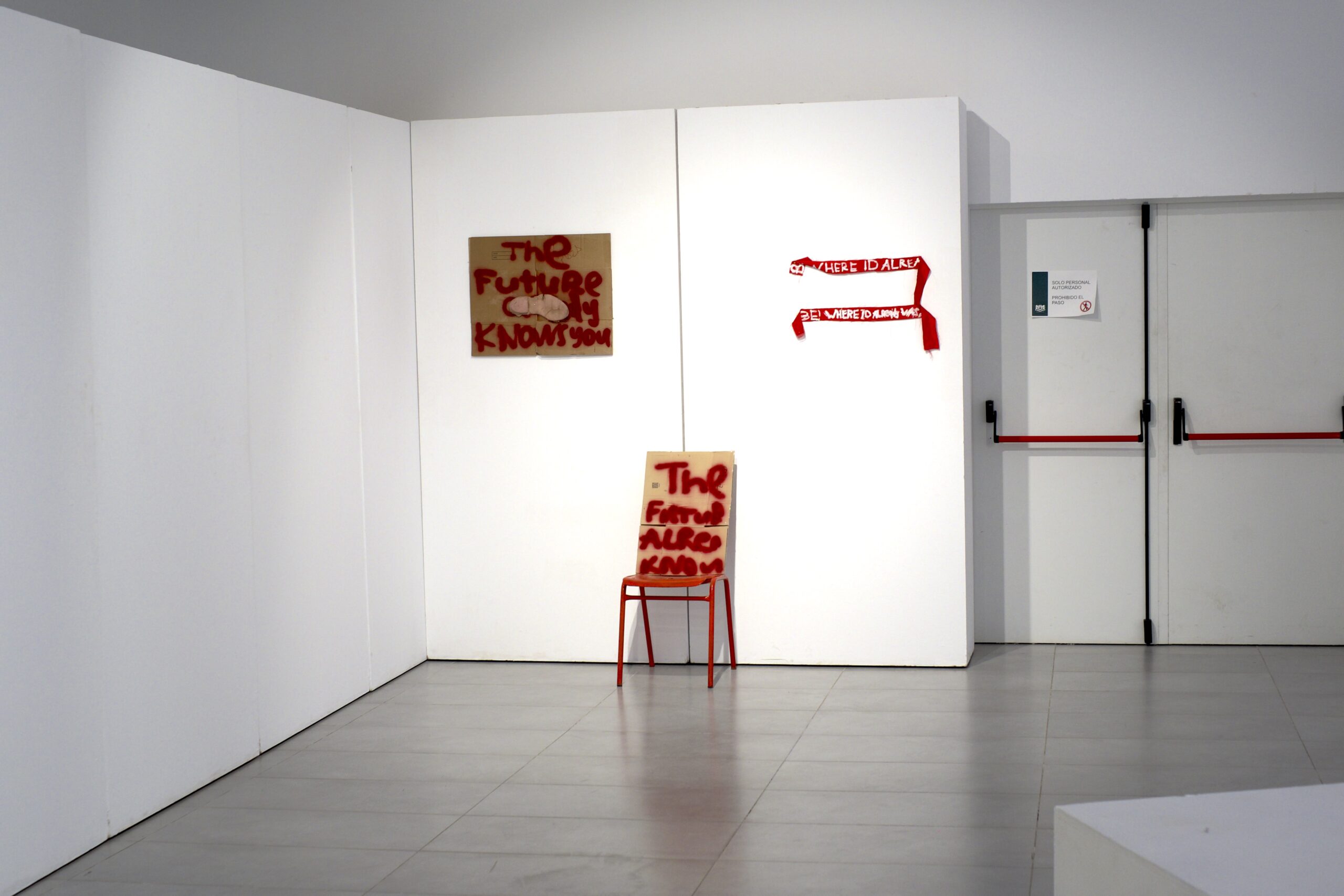
THE FUTURE ALREADY KNOWS YOU

Installation, found objects, paintings, dimensions variables
Beyond Myths, Federico García Lorca Cultural Center
Ingenio, Canary Islands, Spain, 2022
this work was done in collaboration with Alexandra Kadzevich

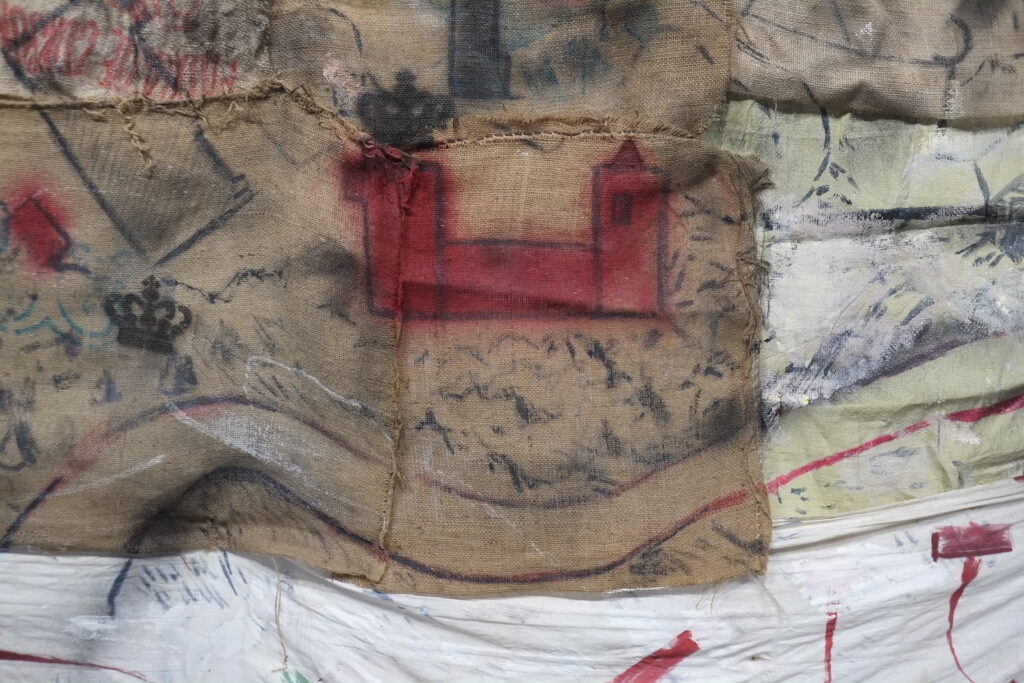
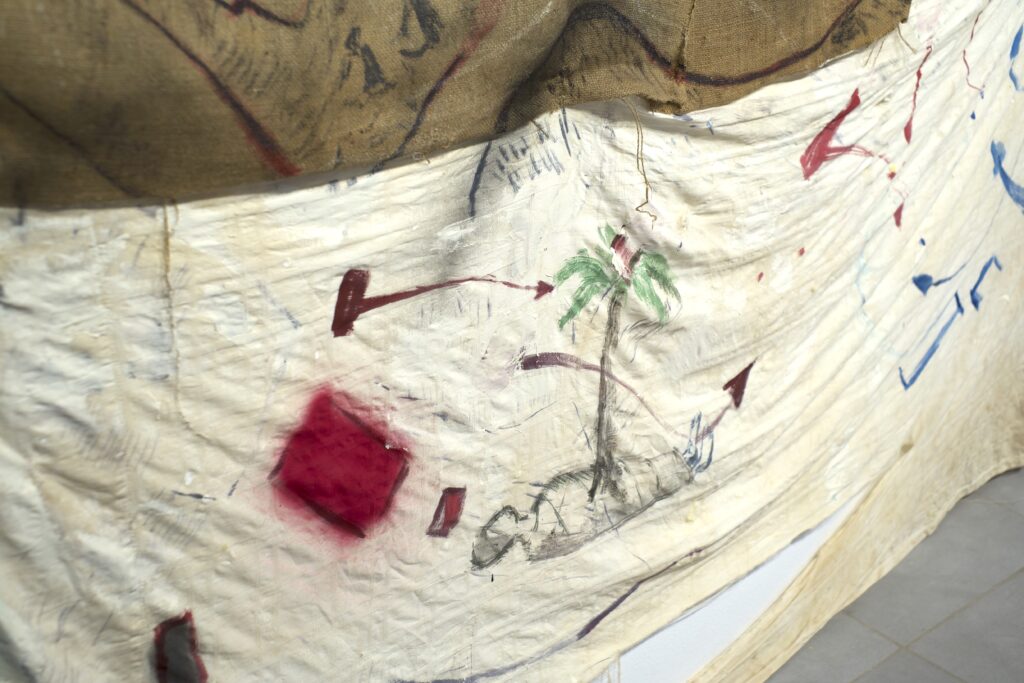
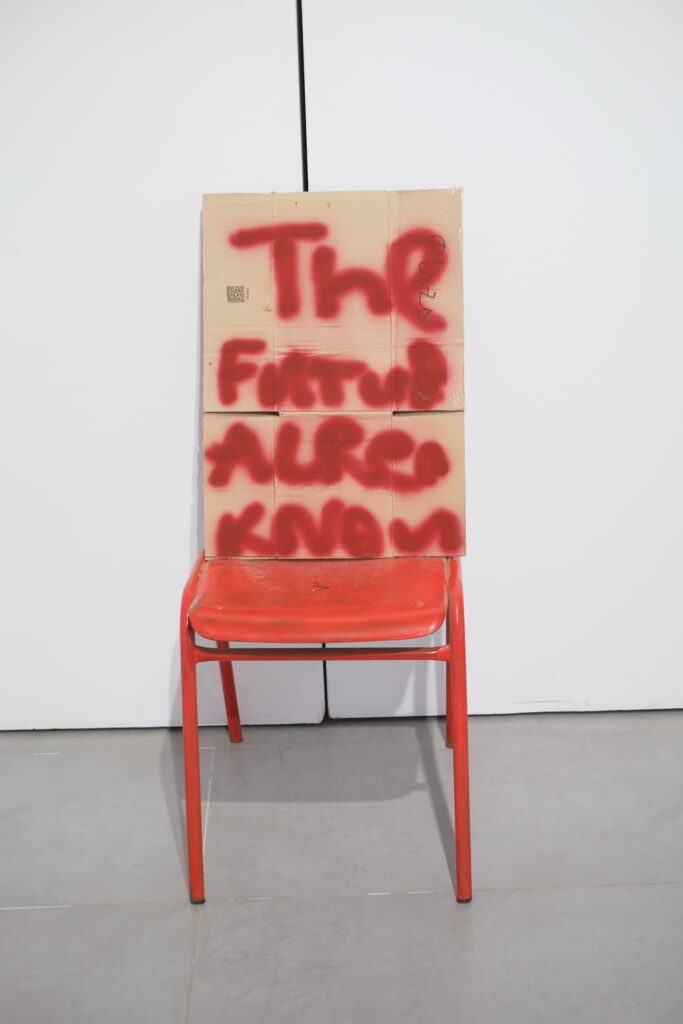
One of the methods of continuous violence coming from the ‘civilisational projects’ is the permanent propagation of the belief that the past was orderly and coherent to everyone, while the present is chaotic and unpredictable. Instead, it’s quite obvious, that the past was never like that at all, and what the establishment actually does is constant pushing the subject back into the past, calling it the future, at the same time depriving the subject of the present.
As a result, believing in the past becomes today, and the future was yesterday. Such a mess forces the subject into a discomposed search for its own Ego in order to find a firm foundation amidst the fluid modality. Being put into speculative temporality, the subject feels the influence of ideology in all aspects of life, struggling unconsciously with the historical form of control.
As such, this is an attempt to gain power over the future. In a series of works, the artist creates a map of the territory that battle might take place on, as well as various posters that the modern people might use in an attempt to win back their right to manage their own present, and to strip the past of its prophetic tone.

THE BESIEGED FORTRESS
Film, 2022

In ‘ The Besieged Fortress’, the artist employs documentary devices. The narration features a protagonist researching into the question presented in the movie, namely ‘what does a human being feel, staying in a besieged fortress?’.
The artist presumes that melancholy is the feeling most similar to that.
Having found himself at the dusk of the Oedipus complex, the protagonist makes his final decision. The main question is that of the law: ‘Do you acknowledge my Law?’, where by the law, we understand a way of dealing with lack.
During a siege, this question loses its relevance, because in the fortress, there is chaos, the inhabitants necessarily expect either the survival of the existing system or its failure and dissipation with the following substitution. To the protagonist, the siege implies a hope of deliverance from the symbolic death, he even develops a desire long-forgotten, hidden behind the pleasure of self-torture.
The protagonist experiences a maniacal bout, trying to calm everyone down, forgetting the necessity to constantly maintain the guise. He indulges in an utterly straightforward, shameless state of the subject, allowed to enjoy the manic psychosis, affectively juggling signified, stripped of any sense to him. In an urge to find a foundation, the subject forgets about the melancholic catastrophe, as all the inhabitants of the fortress do, experiencing the state of immurement.
Eventually, in an attempt to dress before the rendezvous with the other, now officially proclaimed as the enemy, the protagonist loses his Ego and becomes a detail in the historical landscape. Somewhere within, a palm-tree (the primary phantasm) dies, but the protagonist survives. In the end, sorrow comes back to the reality. The protagonist now knows, whom he lost during the siege. But what remains open? The refusal to kill the thing-in-itself, and reunification with it in a non-conscious phantasm, plunges him into a tacit spasm about the lost object.

THE ORIGIN OF THE WORLD

video
Berlin, Germany, 2023

Covered by leaves, the forgotten body appears as a discarded object that ceases to be a form of representation and becomes the hope of finding emptiness in the black crevice between two buttocks.

The leaves become a cosy blanket that shields the subject from the constant sublimation of the images of beauty of the modern creative industry and the indulgence of endless meaningless connections of signifiers. Not yet rotting, but already buried under yellowed leaves, the pop awaits its discovery, which is possible in the case of rejection of the gendered obstacles lying in the way.

The discarded object returns to contemporary art and takes the place of a gaping void in it, which is filled with anxiety and pleasure.

LIKE A HAND OFF!

A series of small video documentation of the Left-Hand and Right-hand voyage.
In progress.

It’s difficult to look at your hand in a dream, usually if you’ve managed to do so, it’s likely that the dream has become conscious and you can control it. The hands act as a mirror in the dream. The unconscious has no image of our hands, the unconscious is structured without hands, and the moment the hands appear, the dream becomes controllable, the ego infiltrates the subject’s split self. It is interesting that another combinator (unconscious) also can not draw hands, namely AI, modern sites that generate images very badly cope with this task, it seems that it is difficult for them to find the image of the hand, as the hand in a sense a gadget that has made of man, man-machine. By combining it with Techne.
In short clips we can see the adventures of different hands, which, unlike «The Thing» from the Adams Family movies, clearly have a Master, but Master is hidden behind the scenes, or maybe he is busy searching for himself in the world of gadgets.

№ 1

№ 2

№ 3