Одесса Игоря Чацкина.

Рыбы ходят, меня гладят, блаж струится отовсюду.
Александр Пуату

опубликовано на сайте: https://supportyourart.com/stories/bez-nazvy-pro-poeziyu-igorya-chaczkina/

Не многие знают о существовании понятия «Одесса Игоря Чацкина». Скорее всего, это миф, и может, он вообще говорил о другой Одессе. 

Но мне удалось подслушать у старожилов города, людей с черными злыми руками. Они, ворча и прикусывая губы, вспоминали об этом метафизическом запотевшем пузыре — Одессе Игоря Чацкина. Старики на кончиках дряхлых языков передали мне предание об этом городе, полного потных тел, которые набивались в трамвай №5, уходящий прочь от душегубки под названием Аркадия. 

Иногда некоторые пейзажи Одессы напоминали мне эту чацкиновскую Одессу, может, реконструированную или полностью конституированную мной, а может, и подлинную. 

Она отличалась удивительным, специфическим тембром оранжевого цвета, струящегося из окон ветхих домов. Забрызганные окна, поглощенные ярким оранжевым цветом, хочется надкусить, лизнуть. Плотность сладострастного мутного цвета подсказывала, какие сцены могли твориться за ними. Толстеющие люди взрывались прямо на кухне вместо своих скороварок, создавая оранжевый водяной пар, энергетическое свечение вокруг домов. 

Мне удалось застать тот город, увидеть его ускользающий край, надышаться запахом, наслушаться косноязычного логоса, утонуть в нем. Вся жизнь тогда делилась на две стороны одних окон. Любая сцена из этих окон превращалась в метафизическую вакханалию, перерастающую в вопли голодных рыб. Крики взорванных жабр пробирали до дрожи. Гнет этого вездесущего звука порабощал наши тела, и мы качались в такт ломаных ритмов. Ты мог ходить из точки в точку, но покинуть это пространство не было ни малейшей возможности. 

Буквально в тот же час как ты хотел ускользнуть из пропитанных морской солью рук этого чацкиновского города, он брал тебя в свою пасть и выбрасывал на жаркий, грязный песок. Истеричная, предельно нагнетенная обстановка бесконечного хаотичного повторения и прерванного удовольствия.

Есть одна давно забытая пьеса, написанная Александром Пуату, под названием «Ложка без Горки». Так вот, жизнь в этой Одессе была именно такой — жизнью в ложке без горки, в пустоте, наполненной грязью и упавшими карнизами, серо-желтыми камнями, маленькими осколками старых памятных мест. 

По легендам, Чацкин никогда не покидал Одессу — субъект не может покинуть тело, тело без субъекта — ничто. Мы все в то время были субъектами Чацкина. Людьми, которые приходили греться у потрясающего света из окон, стареньких окон одесских домов. За ними обитала какая-то невероятная насыщенная жизнь. Выходя из этих окон, ты попадал в однотипные дворики, дома, пронизанные метафизикой и вывернутые наизнанку. 

Помню, меня тогда не покидало ощущение нахождения вне всего. Такое тотальное небытие, заполнившее протухшие подъезды. Заходя в них, на меня нападала необузданная хтонь, неуправляемая сила одесской парадной, пропитанной мочой и запахом тел, изрядна пострадавших от песочных пыток. 

Мы были выброшены, мы были в пекле, в грязи. Мы не сидели на кухне в компании простых обывателей, откуда исходил свет. Мы были в окружении стихии желтого камня. И этот желтый камень оттенялся этими чацкиновскими окнами, предавая ракушнику этот оранжевый, даже алый цвет. 

Скрытая, но ощущаемая теплота окон, универсальная власть их цвета заставляла падать на колени и просить, чтобы сторукое чудовище покинуло, перестало мацать и засовывать свои потные руки. Чуть-чуть гаденькие, загнивающие окна наилучшим образом передавали это чацкиновское восприятие города, пронизанное причиной желания, и при этом абсолютно далекого от того самого желания.

Нет больше этого города, его не может быть. Он сам так пожелал. И в тоже время он есть, и иногда его можно встретить, поднимаясь по прогнившим чугунным лестницам, проходя по Приморскому бульвару, поворачивая на Красную улицу. 

Мы были оранжевыми камнями, отраженными в окнах чацкиновской Одессы, зажаренными до предела сгустками песка, брошенными в беспричинное одиночество сухого южного края.

15.06.2021
The cave of Dyonisius
Part one. The sacred frontier.

This is an essay written by Harri Kraievets after his prolonged stay in the sacred cave,
where our founding fathers had been given the secret knowledge.

Original version of the text: https://syg.ma/@njk/grot-dionisa

The anonymity and universality of the movement will result in war.
War will give birth to freedom. Freedom will create a union. The union will praise us.
Alexander Poitou

A big space it is. Buses around standing chaotically. No sand, no smell of sea. Nobody left in the city. The last frontier’s been reached. The patriarchs died, failing to keep the succession of power. We didn’t manage to seize it and left. Who? Where?

Berlin, Warsaw, Netanya, Ghent…

The last generation spent a lot of time on the coast. They would drink, lose their papers in the sand, dive into the sea naked, seized by sudden attacks of terror. Then the millstones of freedom appeared, pressing the children towards the brink of the land. Having scattered their mats along the beach, they erected edifices on the slopes of hills, on the coast, on water itself. We were left with no choice but to stand on the edge, squeezed up against one another.

When I was young — I do confess! —
I loved my city very much.
Aryks would ripple, plane trees stood in rows
So proud.
Dushanbe river’s splashing thread
High up among the rocky cliffs.
And fields of tulips sang oh soft
Their songs of blossom and delight.

I would like to counter the tradition of Odesa conceptualism, but I can’t break with the past that shaped me. Neither can I separate myself from the present I live in. But my ignorance of the ways they used to pray is a considerable obstacle for me to understand the intimate details of their religious lives. That is the reason why some depths of Odesa conceptualism will remain unreachable to me forever.

Where are the outskirts of my city? How can I find the border? How to stop considering the sea to be that border?

It’s been ages since the sea ceased to be a border for me. It’s rather a place I can’t get to, the matter I’m not able to see or touch anymore. What I’ve got is an illusionary form, that is, illusionary to me. The lack of a perceptible form of the sea frightens me. I’m scared.

Formalism. Has it ever existed here? Or the form has always been inseparable from the word? Or the word itself is our form?

Kostandi street.

No fresh air but clouds of exhaust. Green. Resounding with lament of Bohdan buses, surrounded by clumsy buildings, endless wires twisting round. Ever more riddled with potholes.
I’ve got to descend to find that cave. It’s definitely located somewhere there, on the hills of Bolshoi Fontan. I’ve got to find the mouth of that cave that would transfer them to the place where mysteries took place. The place where they were once initiated into, given the power to create. My goal is to conduct an anthropological investigation and then take the broom and sweep out all the emptiness, tidy up a bit, and surrender the city without a word.
I’m standing alone, a big square in front of me. Back in the day, it was scattered with ugly looking buses. Now it’s empty. Everybody’s gone. A sharp horn of the last bus leaving honks. My mission is to see them out and then sweep the dust away. I’m great at it.
I descend ever lower. Now I see heaps of shelly limestones ahead. There’s the cave of Dyonisius. I’ll manage to get in somehow. I know it, I feel it. Everything around tells me. I’m climbing up the mountain. I’ll find the scenery. I’ll grasp the symbol of collective creative impetus.

I’ve felt damp warmth of the still air and found myself in front of a natural wall of stone of a tremendous height. One might think it’s a gray waterfall from the cloudless sky of Sicily suddenly turned into smooth stone. At that moment, I thought I’d seen this gray wall before, or at least had heard of it…

But where? When?
The cave of Dyonisius is gaping in front of me.

I stepped in. Felt a draught. Turquoise floor, decadent shapes. I suddenly realized there was no return from here… I could never ever return!

Where the ledge is cold and gray
Falls down like a waterfall
I scream at the silent cave:
– Dionysus! Dionysus! Dionysus!

Tired after a long hunt
Dusty purple outfit,
He went to the turquoise grottoes
Squeeze golden grapes…

Dionysus! On a gilded shield —
Faded snakes blue fight,
And weeps with a torn groan
A pipe directed to the sky …

Part II. The caves of Herzliya

Higher, ever higher, up to Herzliya. An impromptu stop, in the middle of nowhere. A plan. It’s time. A pure, cold calculation. A precursor of the ancient world, a bus running wild. Riding past Ofakim, Urim, Tze’elim, Mivtahim, Revivim, Tlalim. A mountain bus won’t stand against the stone features of the mountains. We mustn’t stop. They betrayed Gena, they broke into my house, ripped decorations off from my Christmas tree, they saw everything. Yet no food for the rats in an empty warehouse. They won’t take anything from me anymore. Lonely strangers, they know nothing about my army. Together, we will raise our eyes up high. We must get higher. Riding past Kiryat Malakhi, Bnei Re’em… Having left Gedera behind, we finally were able to put our weary feet to the ground. We only must get to the port, to dabble our feet in water. There are lots of ships in this port, lots of airplanes, and a big caravan laden with brocade and ivory heading towards the destiny of our people. Three Greeks, who were Yanaki, Stavraki, and Papasatyros, expressed their desire to get moving further. We will take the Russian physicist with us; we will save him from the greedy clutches of Tzfat. He will pitch a camp full of tents and bread for us. And we will refuse, since we must get to the caves. We will stay for a night there, and leave with the first ray of sunlight, not willing to stay any longer. Woe is us! Woe! We felt yearning for the fields of Bessarabia.

You wanted to stay in the caves of Herzliya. You didn’t turn into a sea. Your veins are pulsing with rage. You failed to learn this land, you wanted to return to the hills. You grew tired of the burden our people laid upon you. You betrayed our cypress trees. Run. You still might manage to get away from our soldiers. Brave warriors in green berets. A black sword called ‘The star of Cairo’ will spring out of its sheath and make a forceful thrust once more. Run, you crazy Armenian. You won’t learn the secrets of the caves of Herzliya. We are expelling you; you desecrated these halls; you spilt poison on this thriving land.

Blessed are the merciful: for they shall obtain mercy.
Blessed are ye that weep now: for ye shall laugh.

Thou shalt love the Lord thy God with all thy heart, and with all thy soul, and with all thy mind.

Thou shall live by bread alone, and thou shall drink no glass of wine. I will smite you, as the people smites its enemies, for you are a guest uninvited! Leave! Leave!

Riding past Bnei Brak, Ramat Gan, Ramat HaSharon, and towards Ahi Dakar Street. Kneel there, under the red sign, before the red light, the porcelain light, the half-decayed light.

Midst the ashes of nard burning red
I did kneel. I have never felt merrier.
Leopard’s head hover’d high overhead —
Golden chief in his splendid swift chariot!

A cupboard in a cluttered apartment, a familiar tablecloth, a dreary dark yard behind the window. Inexplicable.
You will never return to the caves of Herzliya.
Odesa, April 2019.

WHAT SCIENCE AND TECHNOLOGY SAY ABOUT HUMAN PERCEPTION OF ART?

Online discussion, Part of the public program “New Spirituality”,
Future Generation Art Prize, 2021.
PinchukArtCentre, Kyiv, Ukraine

Every year brings new research and technologies that bring us closer to understanding how the brain works and the processes of human perception. These studies can deepen our understanding of art and provide insight into how art helps scientists unravel the mysteries of human nature. Together with experts in the fields of neurobiology, art history, psychology, and artificial intelligence, we will discuss whether the process of analyzing art can be automated, what unique experiences individuals gain from observing works of art, and whether we can live without such experiences. We will also try to understand where the boundaries of subjective perception and understanding lie, and where biologically determined reactions to visual stimuli, common to all people, occur.

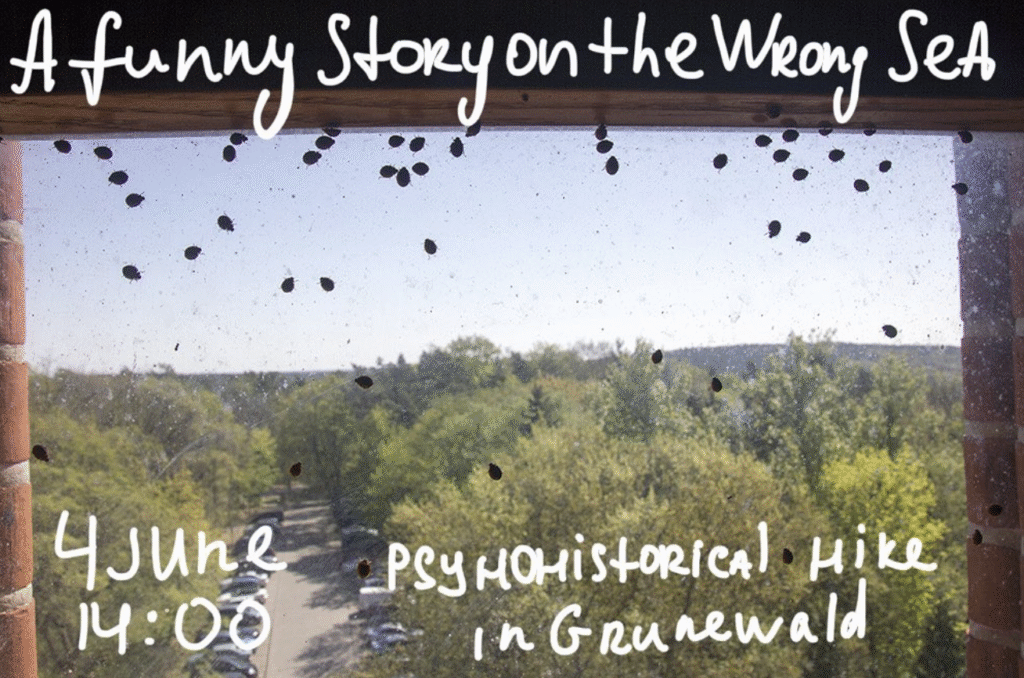
Psychohistorical Journey No. 1. A funny Story on the Wrong Sea
04.06.2023,Berlin

Ukrainians’ text below↓

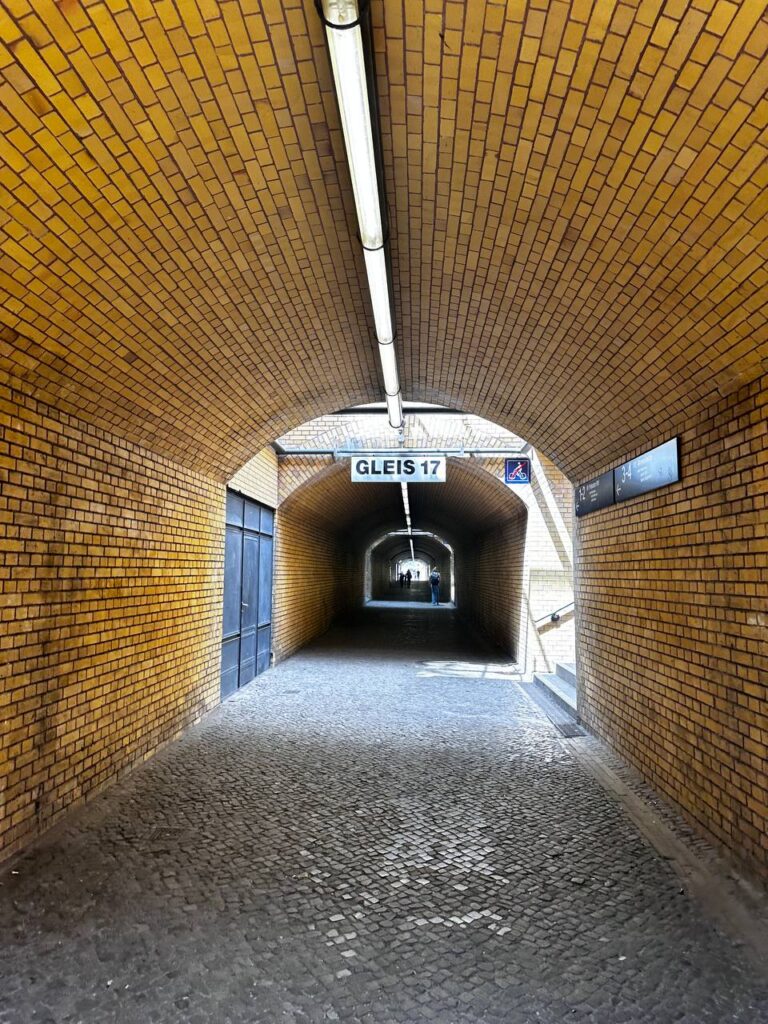
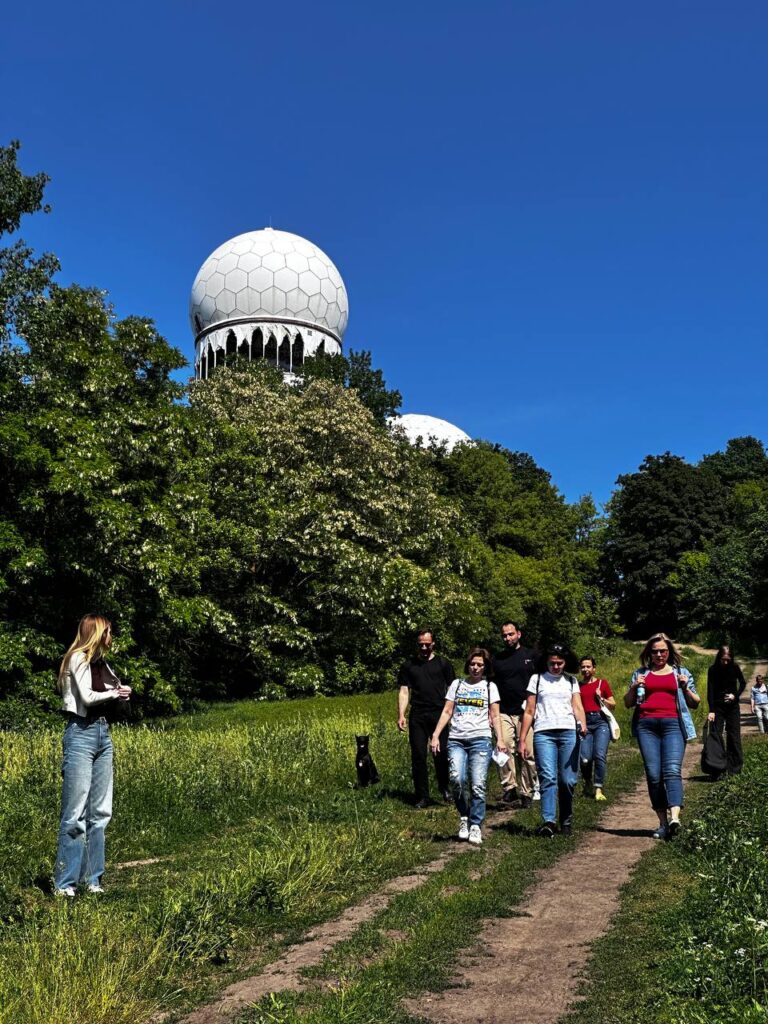
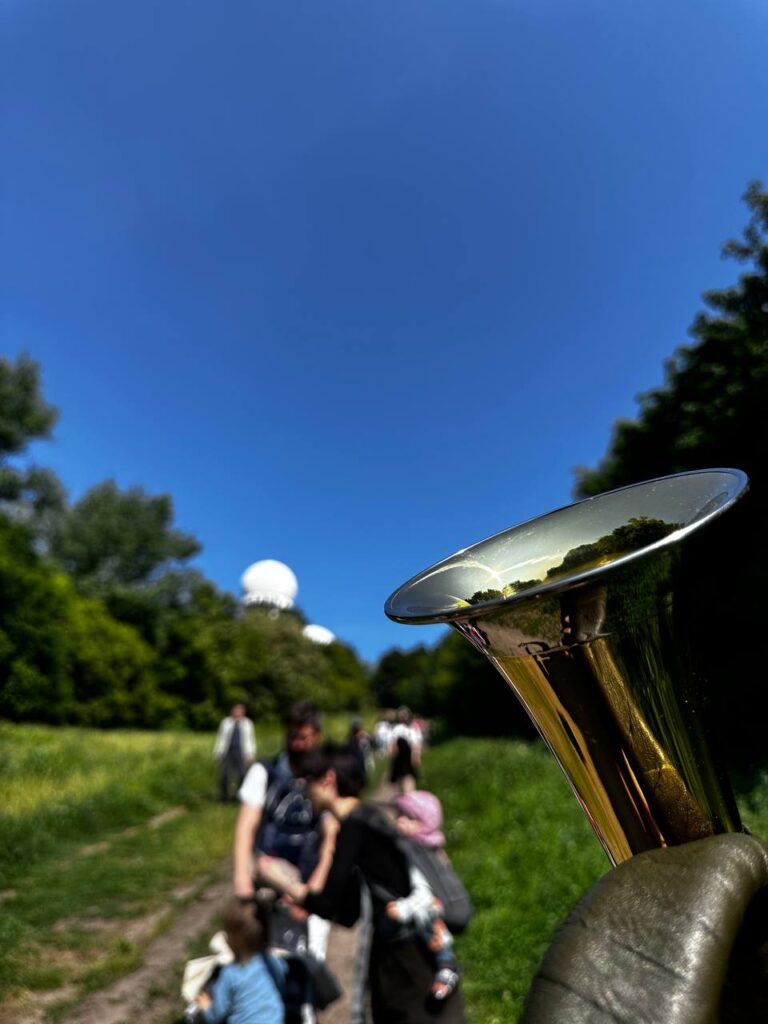
At 2:00 PM, the group gathered at the Platform 17 Memorial* (Am Bahnhof Grunewald, 14193 Berlin).  

Harri Kraievets read the text from the memorial plaque. Afterward, silence and the first movement toward Grunewald Forest.  

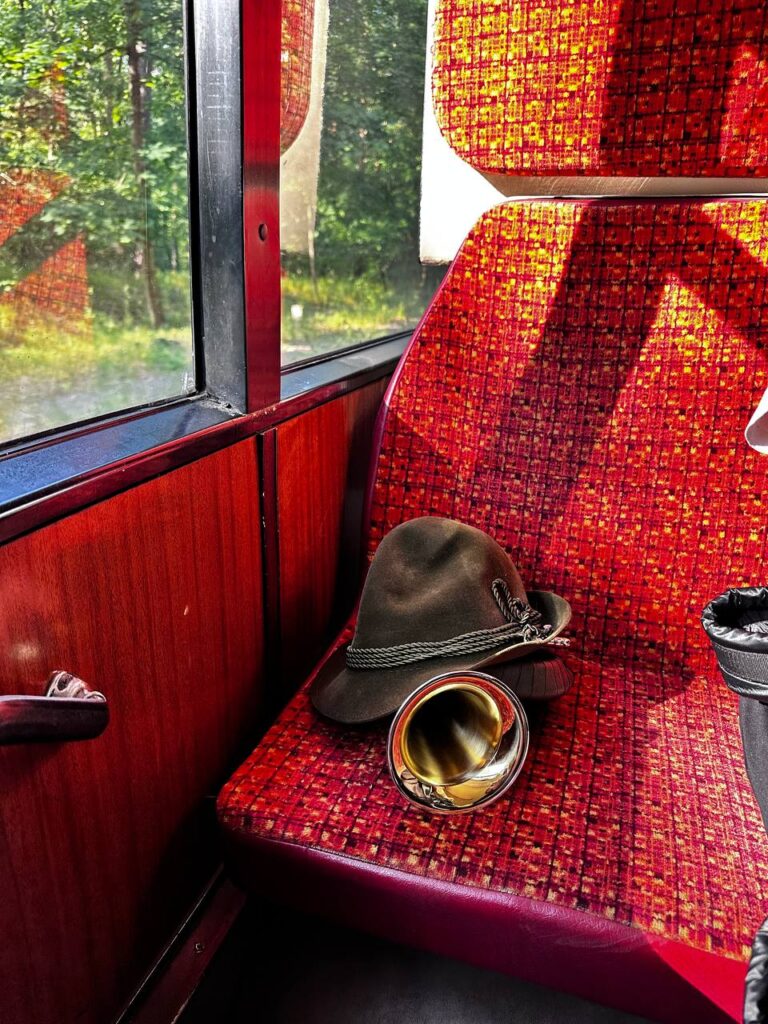
Valentin Lutset accompanied the group silently, guiding them with sounds from various instruments; he wore a huntsman’s hat. He also served as the group’s guide, maintaining silence on behalf of the entire group.

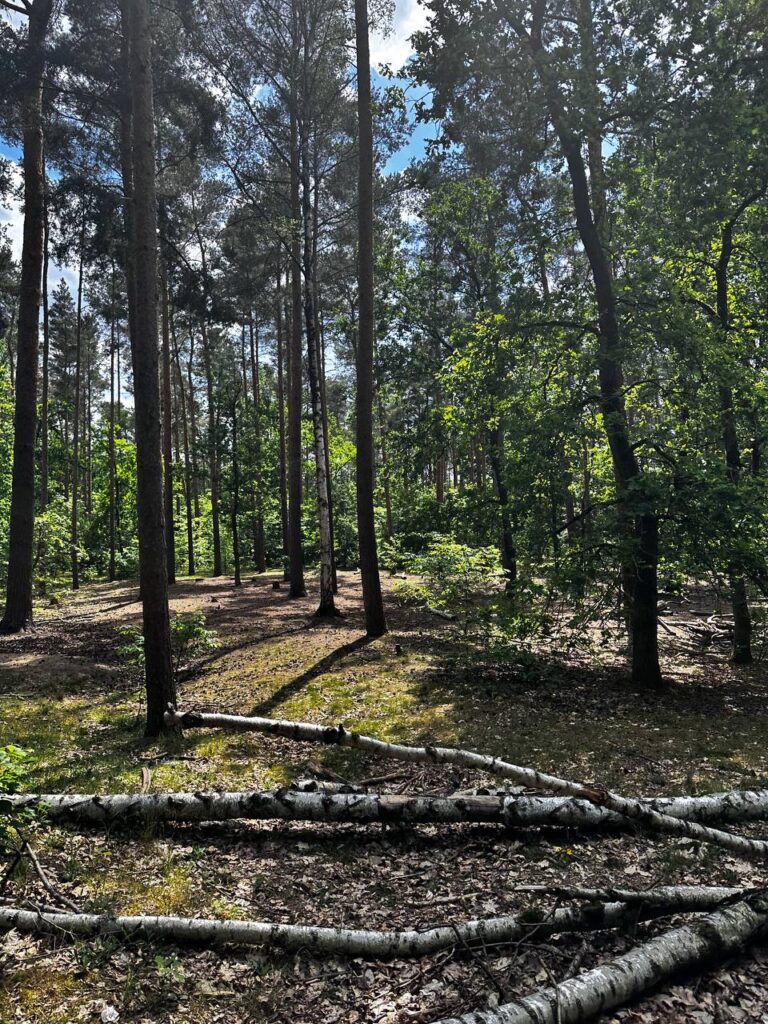
First Stop. Journey conditions: phones were handed over to the guides; from this moment, no speech was allowed outside designated stops.  The group listened to Kavan’s text 1: “Why are there no photographs on coffins?” After the reading, a slight detour from the path.  In a clearing strewn with sticks, Valentin Lutset cleared the space. The group recited a poem in unison: “Magic Words 1.”

Second Stop. At the base of a large tree deep in the forest, a bilingual reading in German and Ukrainian: Kavan 2, “Rules of the Psychohistorical Journey and Six Spells.”  Here, the basic principles of the psychohistorical method were articulated for the first time.

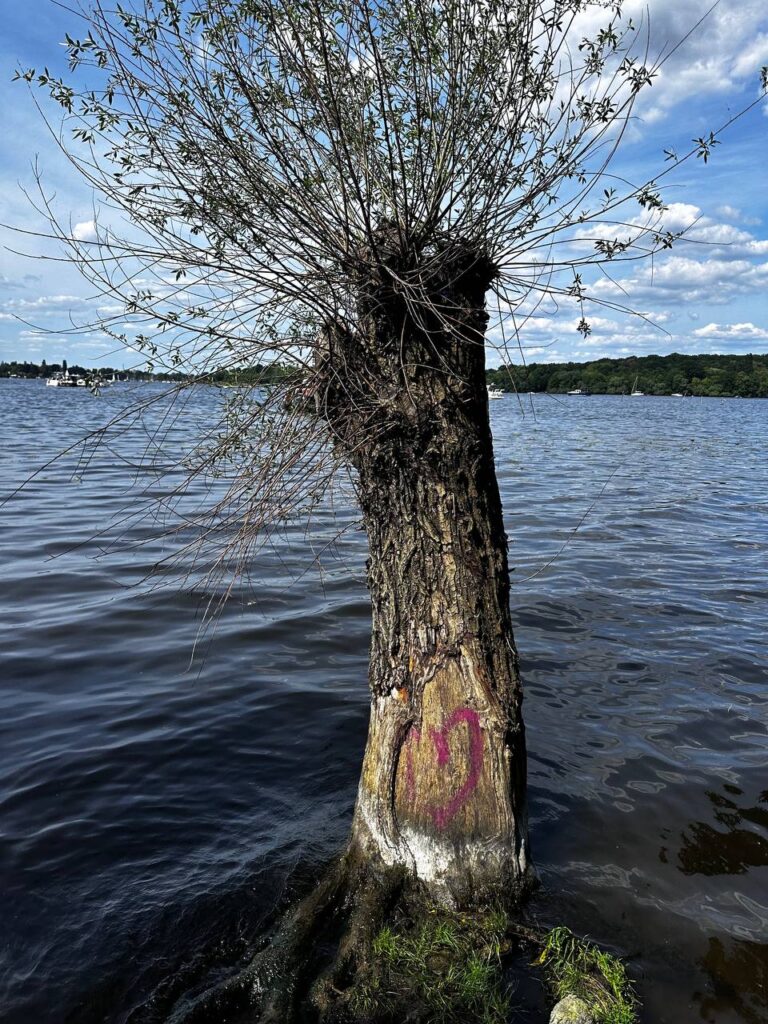
Third Stop. Near Teufelssee Lake.  Two participants took on the roles of Kafka’s sisters. They read Kavan’s text 3: “Tree-Skin” in Ukrainian.  The group surrounded them, holding the space around the scene.

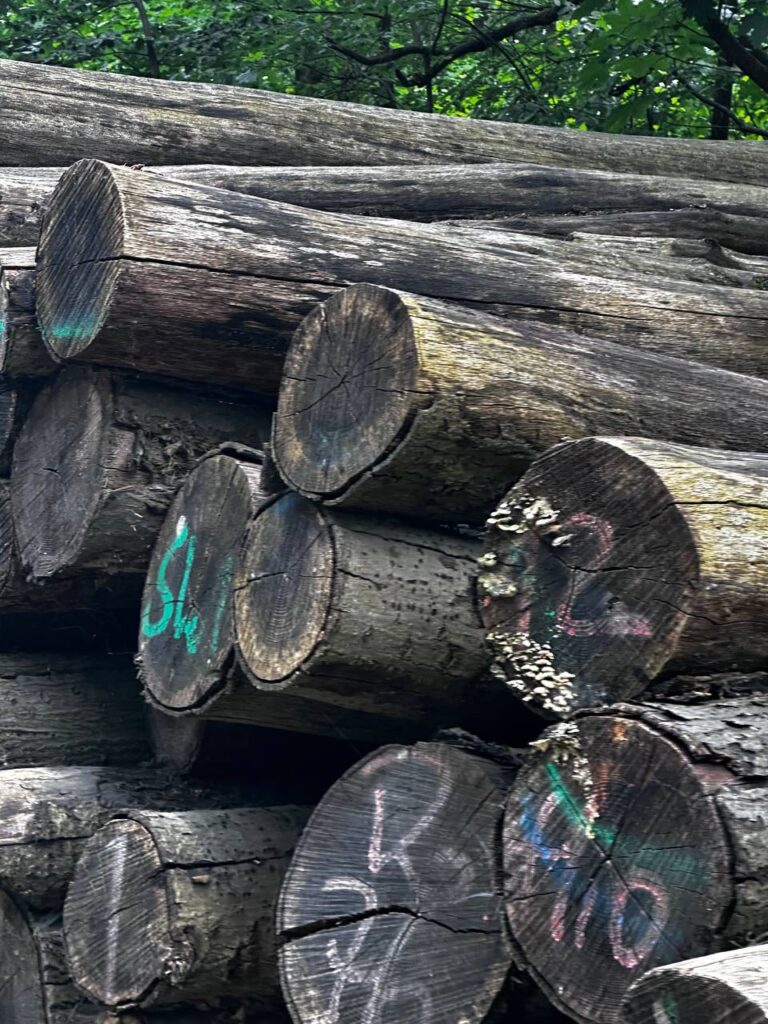
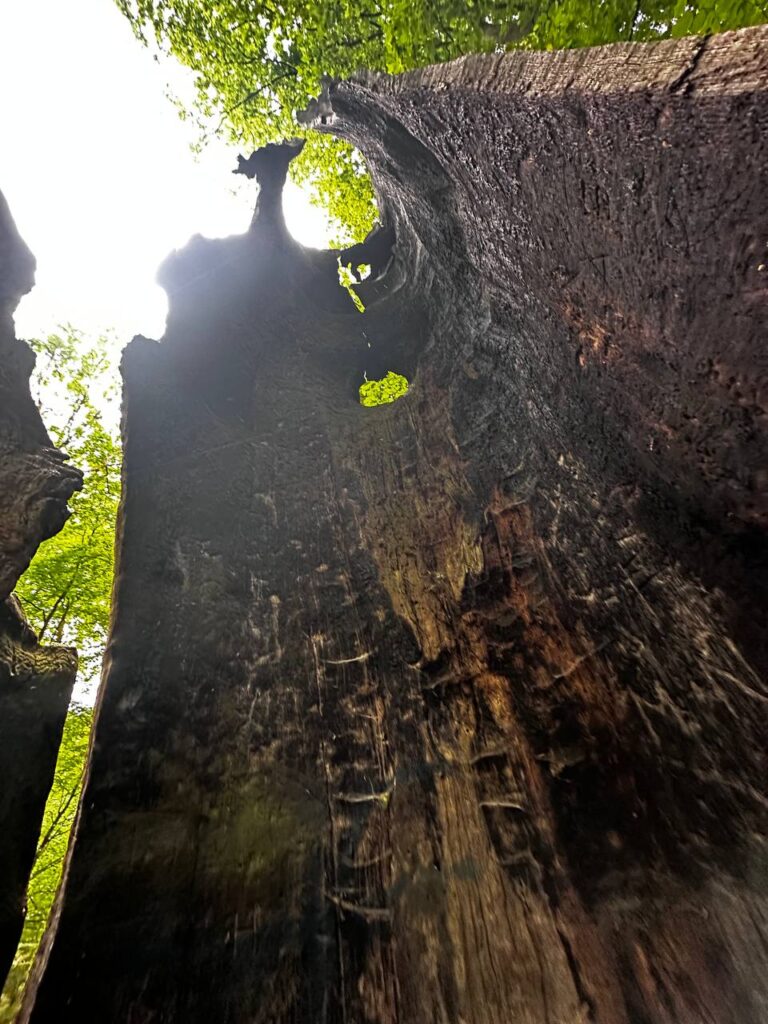
Fourth Stop. A tree, rotted from the inside, was found—only its bark remained, an empty form, a vessel without content.  Maxim Yarmolenko stood inside and began reading a dialogue between a girl named eg and a Consultant named Sweet Smile.  The group responded for the girl—in unison.

Fifth Stop. Collective reading of Kavan’s text 4 in three languages: Ukrainian, German, and English.  Each person read in their own language. At the center—polyphony; beyond it—harmony.

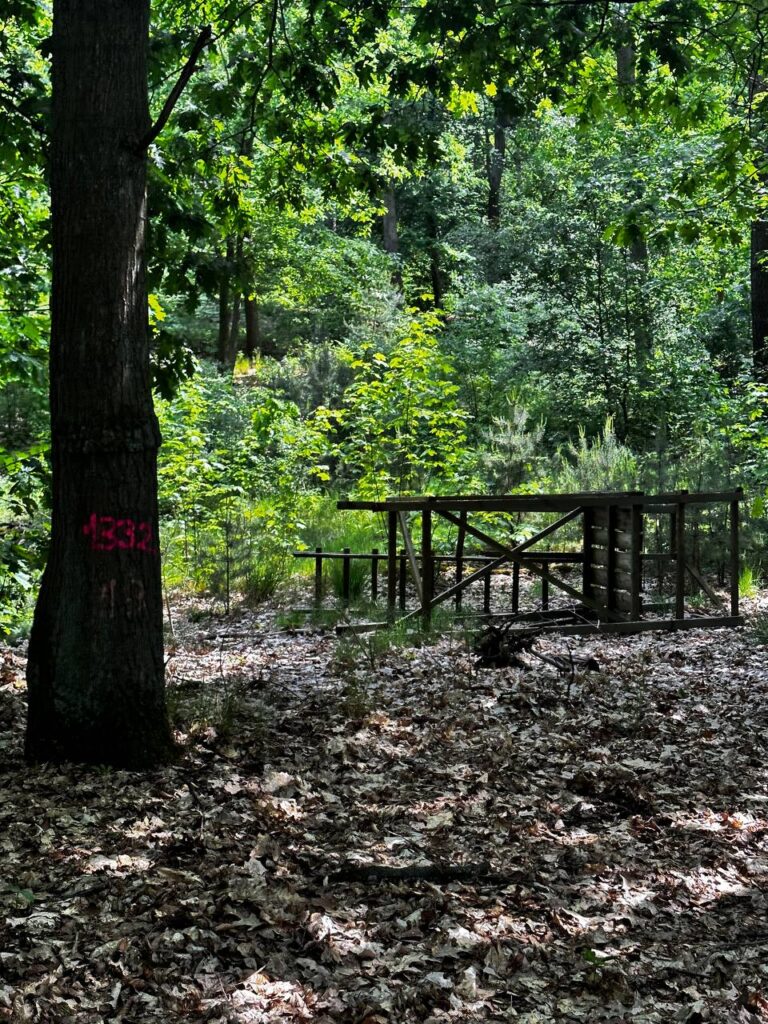
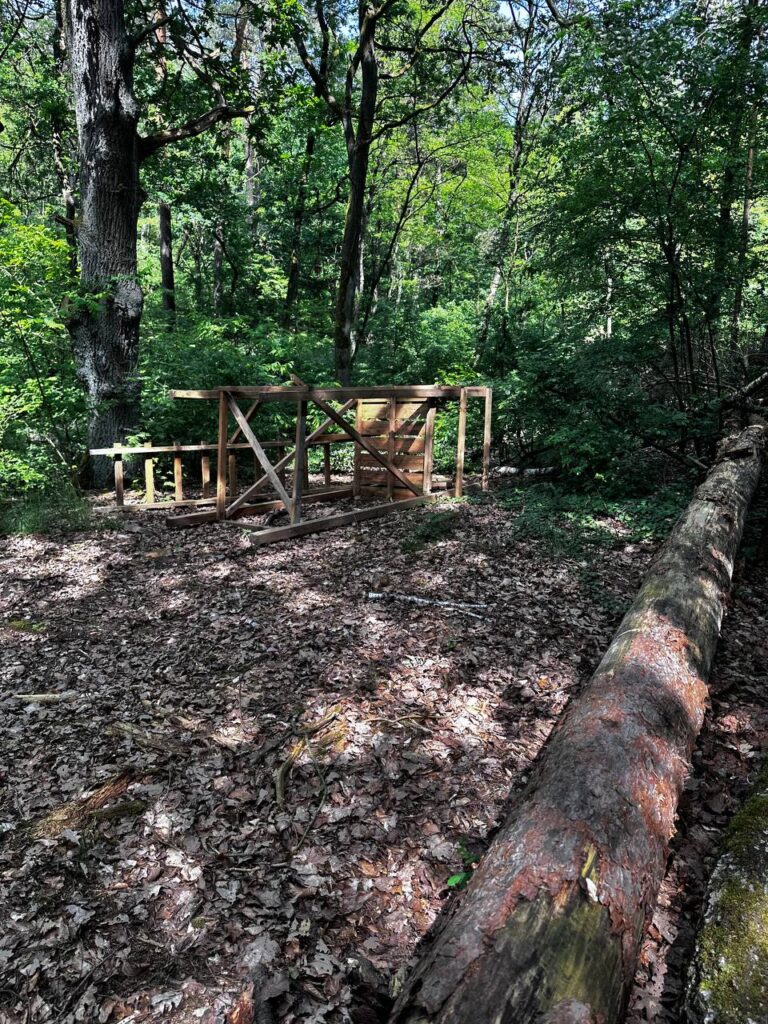
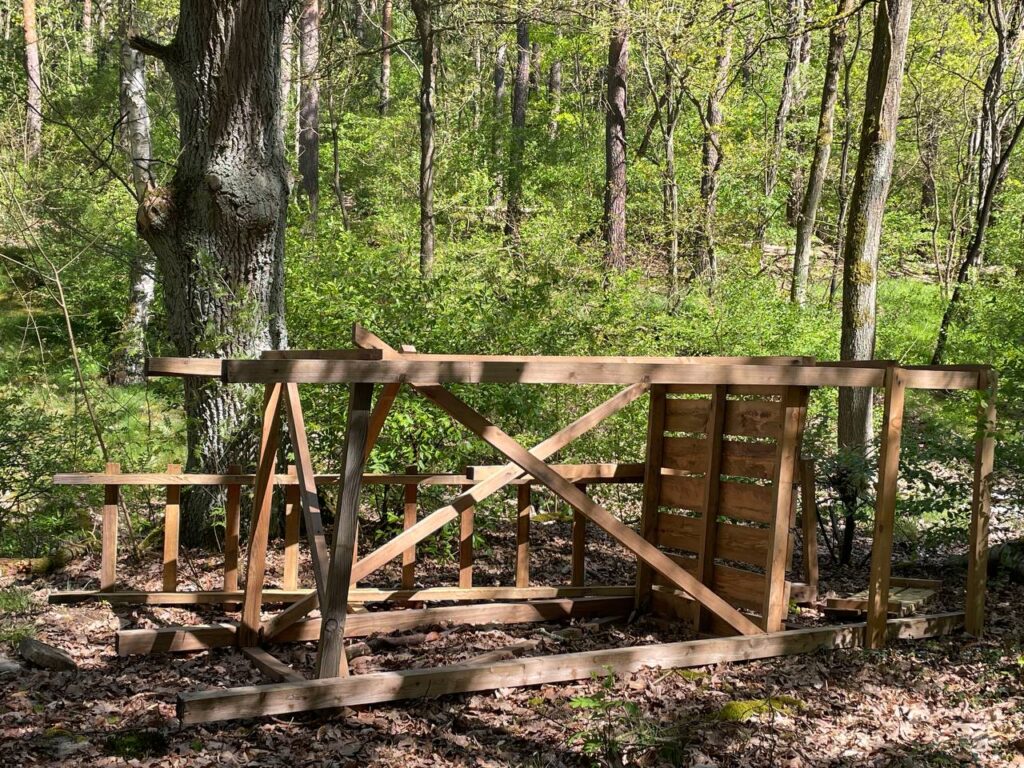
Sixth Stop. The group found a fallen wooden observation tower, and under Valentin Lutset’s reading of “Moleben,” with the collective effort of the group, the tower was raised. This was the sixth stop.

Moleben: BARAN ALIANTA EXISTENZIJA BARAITA MOLIN DOMBROST ALELUNINSTWOW ANATAUSA BEMAGEFAURINUSTAV ERHOBENUMUSTAZIA NOGAMUNIMUSMUSTOS OYF MOZLIWOSC NOGIM

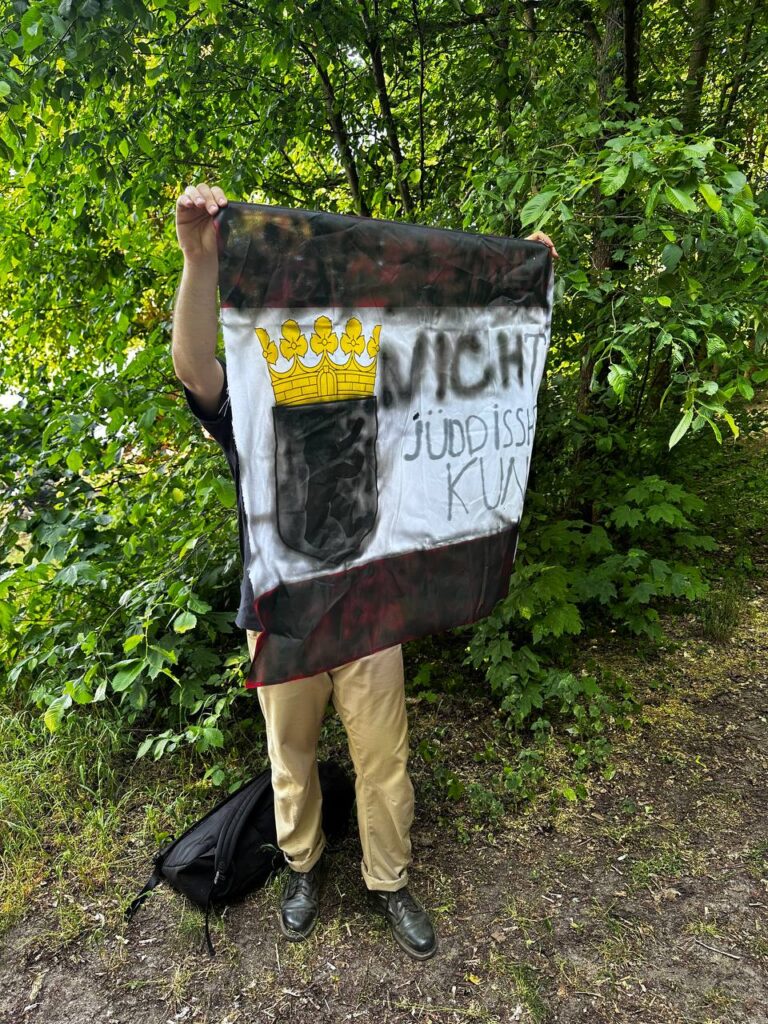
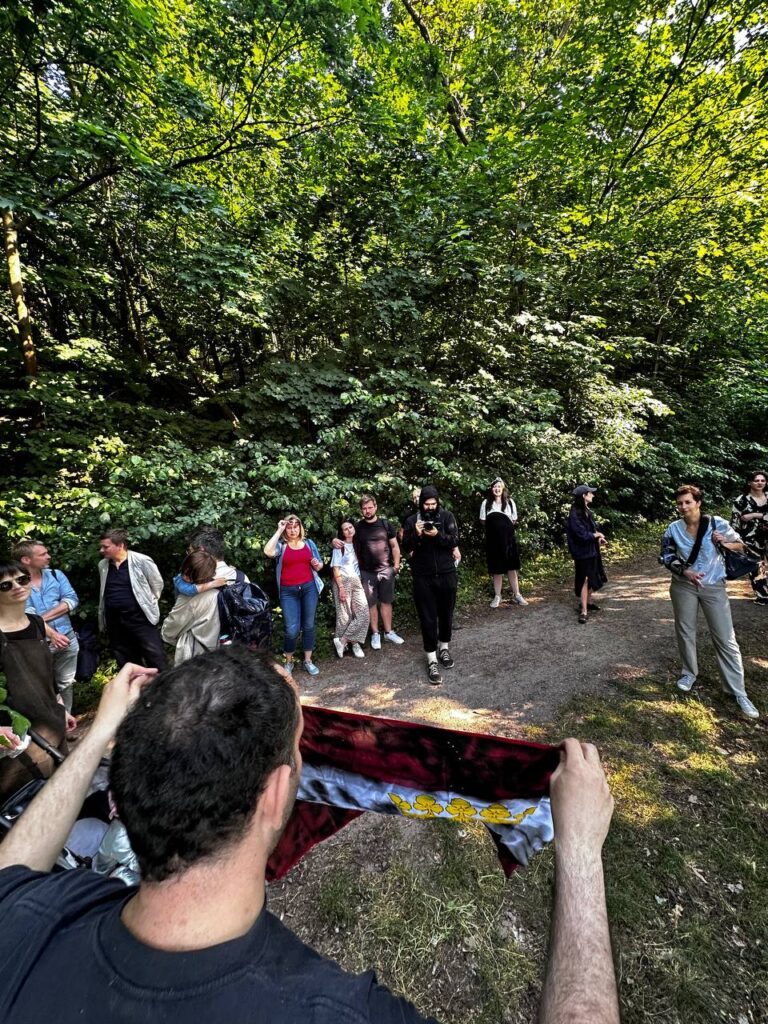
Final, Seventh Stop. Following the sound of a flute, the group ventured deeper into the thicket, climbed a slope, and reached the banks of the Havel River**. Here, into a pit pre-dug by Valentin, an altered Berlin flag with the inscription “NOT JEWISH ART” was lowered.  

The group performed a collective burial of the flag. A funny Journey to the Wrong Sea concluded.

Duration of the walk: 5 hours

Conductors: Harri Kraievets, Valentin Lutset

Video documentation: Tomi Hazslinszky

Participants: —

*Platform 17 Memorial: From October 18, 1941, to February 1945, trains carrying Jews to ghettos in Eastern Europe and death camps departed from the nearby freight station. Over 50,000 people were deported through Gleis 17.  

**Havel River: A river in northeastern Germany, a right tributary of the Elbe. Length: 333.7 km. Navigable. An important transport artery. Flows through Berlin, Potsdam, and Brandenburg.

Психоісторична подорож № 1. Кумедна історія на неправильному морі

04.06.2023, Берлін

О 14:00 група зібралася біля меморіалу «Платформа 17»* (Am Bahnhof Grunewald, 14193 Берлін).

Гаррі Краєвець зачитав текст з меморіальної дошки. Після цього всі замовкли і рушили до Грюневальдського лісу.

Валентин Лутсет мовчки супроводжував групу, направляючи її звуками різних інструментів; він був у мисливському капелюсі. Він також виконував роль провідника групи, зберігаючи мовчання від імені всієї групи.

Перша зупинка. Умови подорожі: телефони були передані провідникам; з цього моменту розмови поза визначеними зупинками були заборонені. Група прослухала текст Кавана 1: «Чому на трунах немає фотографій?» Після читання відбувся невеликий відхід від маршруту. На галявині, засипаній палицями, Валентин Лутсет розчистив простір. Група одночасно прочитала вірш: «Чарівні слова 1».

Друга зупинка. Біля великого дерева в глибині лісу відбулося двомовне читання німецькою та українською мовами: Каван 2, «Правила психоісторичної подорожі та шість заклинань». Тут вперше були сформульовані основні принципи психоісторичного методу.

Третя зупинка. Біля озера Теуфельсзее. Двоє учасників взяли на себе ролі сестер Кафки. Вони прочитали текст Кавана 3: «Кора дерева» українською мовою. Група оточила їх, утримуючи простір навколо сцени.

Четверта зупинка. Було знайдено дерево, яке згнило зсередини — залишилася лише кора, порожня форма, посудина без вмісту. Максим Ярмоленко став всередині і почав читати діалог між дівчиною на ім’я eg і консультантом на ім’я Sweet Smile. Група відповідала за дівчину — в унісон.

П’ята зупинка. Колективне читання тексту Кавана 4 трьома мовами: українською, німецькою та англійською. Кожен читав своєю мовою. У центрі — поліфонія; за її межами — гармонія.

Шоста зупинка. Група знайшла повалену дерев’яну оглядову вежу, і під час читання Валентином Луцетом «Молебню», спільними зусиллями групи вежу підняли. Це була шоста зупинка.

Молебень: БАРАН АЛІАНТА ЕКЗИСТЕНЦІЯ БАРАЙТА МОЛІН ДОМБРОСТ АЛЕЛУНІНСТОВ АНАТАУСА БЕМАГЕФАУРІНУСТАВ ЕРХОБЕНУМУСТАЗІЯ НОГАМУНІМУСТОС ОЙФ МОЗЛІВОСЦ НОГІМ

Остання, сьома зупинка. Слідуючи за звуками флейти, група заглибилася в хащі, піднялася на схил і дійшла до берегів річки Гавель**. Тут, у яму, заздалегідь викопану Валентином, було опущено змінене берлінське прапор з написом «NOT JEWISH ART» (НЕ ЄВРЕЙСЬКЕ МИСТЕЦТВО).

Група провела колективне поховання прапора. Забавна подорож до неправильного моря завершилася.

Тривалість прогулянки: 5 годин.

Провідники: Гаррі Краєвець, Валентин Луцет.

Відеодокументація: Томі Газслінскі.

Учасники: —

*Меморіал «Платформа 17»: з 18 жовтня 1941 року до лютого 1945 року з сусідньої вантажної станції відправлялися потяги, що везли євреїв до гетто в Східній Європі та таборів смерті. Через Gleis 17 було депортовано понад 50 000 осіб.

**Річка Гавель: річка на північному сході Німеччини, права притока Ельби. Довжина: 333,7 км. Судноплавна. Важлива транспортна артерія. Протікає через Берлін, Потсдам і Бранденбург.

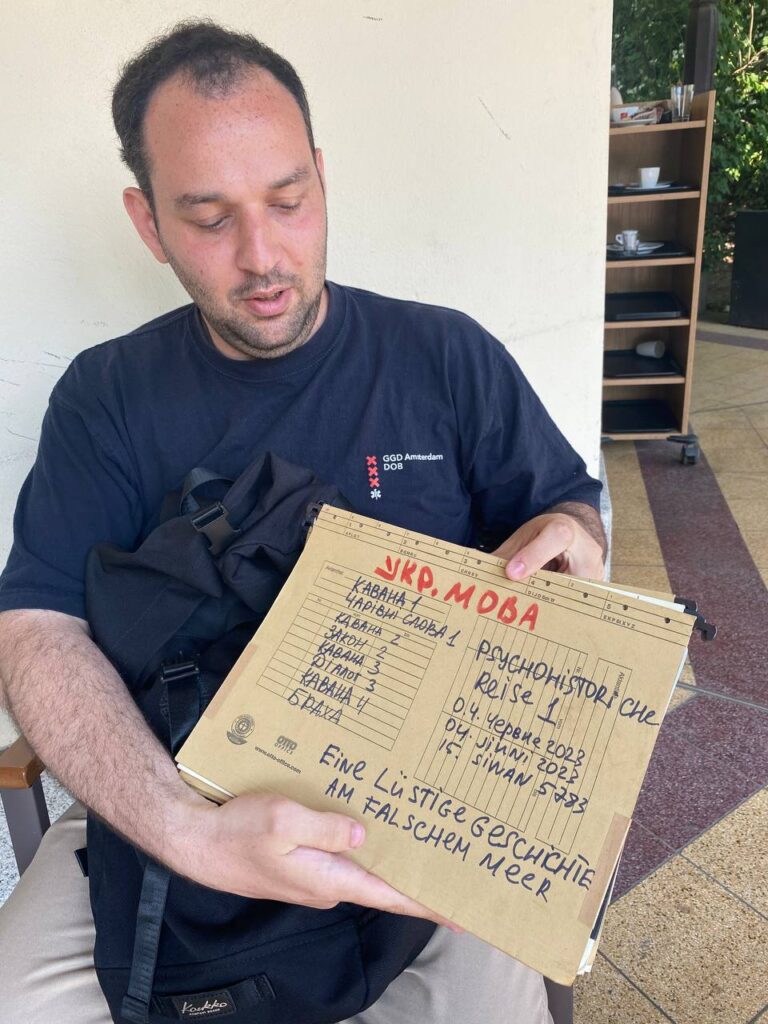
Kavanah 1

Kavanah 2 Kavanah 3

Kavanah 4

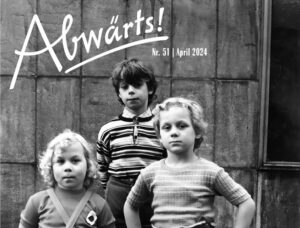
ABWÄRTS!-Release Nr. 51

The final product of the journey was an article by Harri Kraievets

in ABWÄRTS! magazine, published in the 51st issue in April 2024.

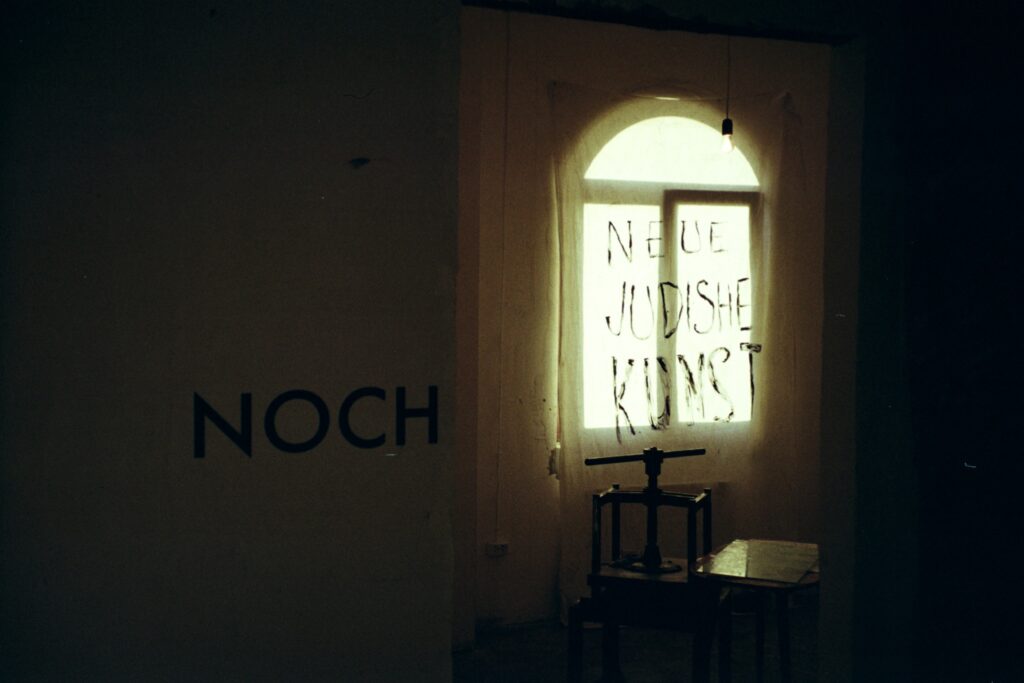
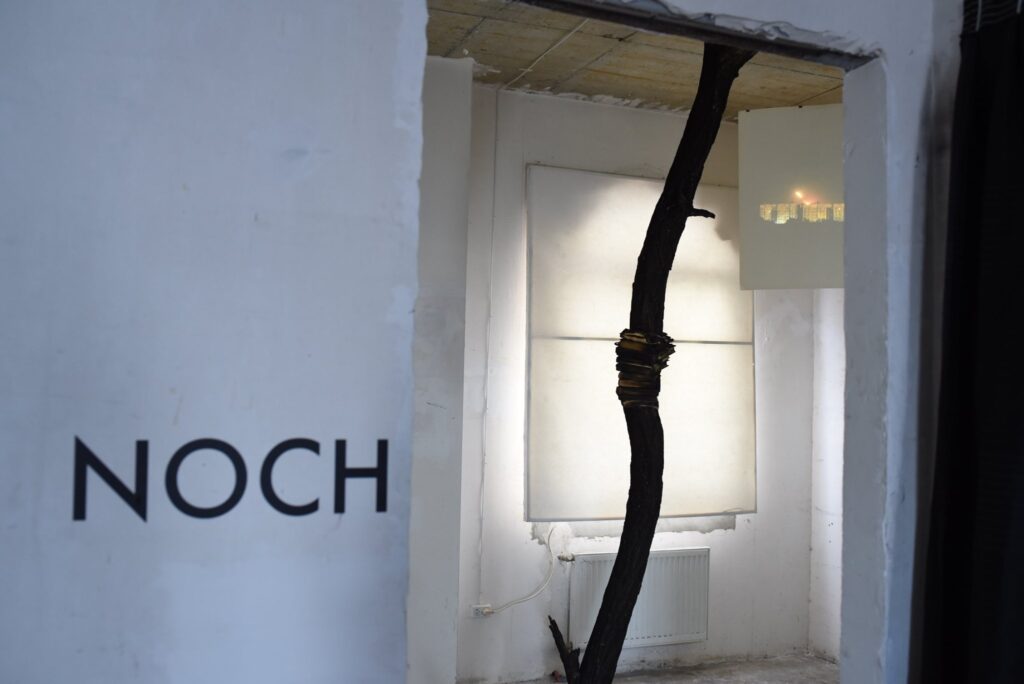
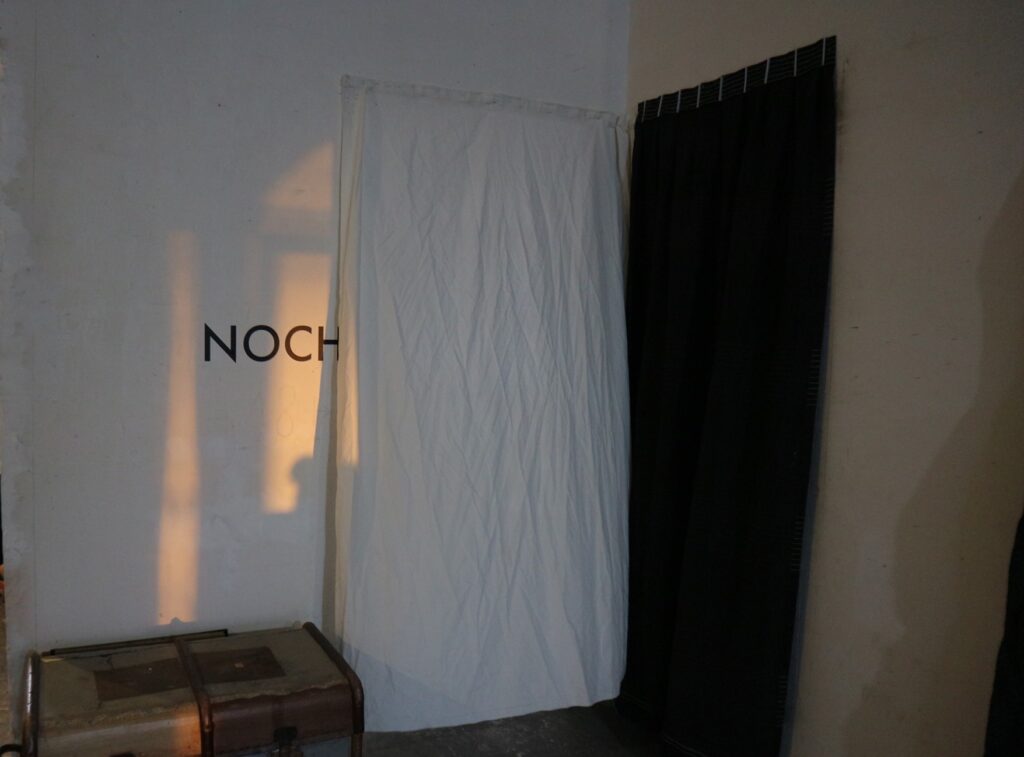
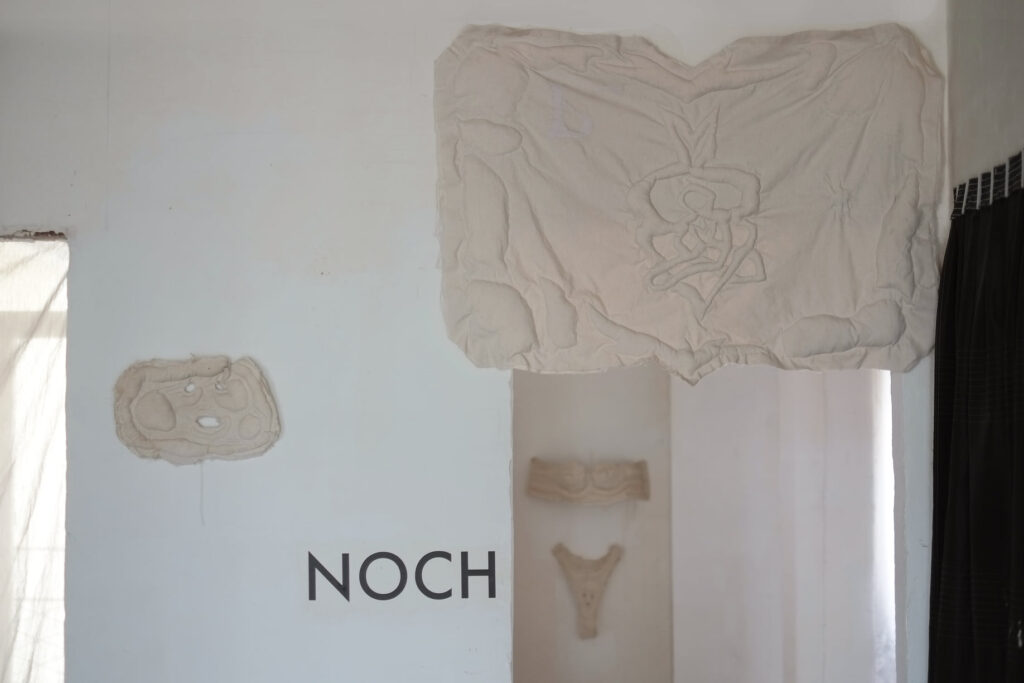
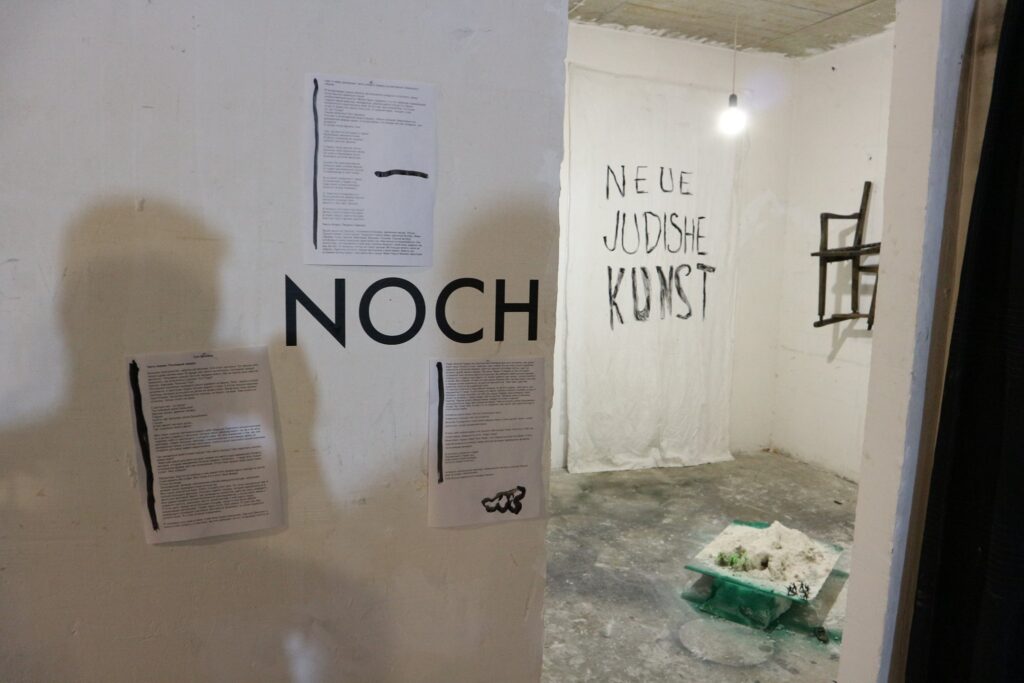
NOCH ARTIST-RUN SPACE
SINCE 2018

Noch is an initiative of artist Alexandra Kadzevich and artist Harri Kraievets, that focuses on short-term artist studies and explorations. The topics of these studies covers under-investigated phenomena, philosophical schools, and the unforeseen moments, patterns and outcomes that have yet to be. The result of each study is a one-day exhibition, in their venue that has a view of the port of Odesa.

Noch emerged from the studio of Kadzevich in June 2018, out of an idea to create a space for 24 hour exhibitions; a situation which could be shared with others with no intervention from anyone but the artist. We are focused on intertwining the international and local art-scenes, and expanding the Odesa artistic field through meetings, artist-talks, and group discussions.

We also support artists through our residency program that focuses on both global and local social issues. We’ve held over thirty exhibitions by both Ukrainian and foreign artists in the almost 3 year span of our existence. In this time, Noch has grown to become an important and influential cultural spot for the city of Odesa.

http://www.noch.space/

https://www.instagram.com/noch.artspace

LOOKING WHISTLING!

Curatorial project
2020

The exhibition was created during the first COVID-19 lockdown. The team of Noch gallery had to interrupt its regular monthly exhibition schedule. Then we decided to make an exhibition based on the virtual space of an antique sale web platform. With this exhibition, we managed to activate the social fantasy of the audience and started looking for new ways of representation for artists. Additionally, we wanted to infiltrate the basic matrix of the internet platform. Back then, we were unable to meet and study art and talk about it due to legal restrictions. Searching for a new landscape for expression, we came to digital reality. But we didn’t want to simulate reality. Instead, we intended to create a new dimension for exhibition and communication. So, it was a classic case of appropriating the territory, that was unintended for artistic purposes. The distinction between similar artistic actions of modernity and of the past lies in that the action takes place not in a public space of Euclidean reality, but on a virtual landscape. Having introduced contemporary art into a context initially not suited to include that, not only did we trial the limits of the high vs. profane (since culture mostly keeps coding art as intended to exist on the ‘higher planes’), but also followed the tradition of takeover actionism.

Noch offered artists to participate in a virtual exhibition in the digital space. OLX trading portal was chosen for that purpose. This platform features such interaction options as sell, exchange, or giving free. In each case, the artist chose among the options himself.

Artists: Nikolay Karabinovych, Mitya Churikov, Maria Silchenko, Lisovenko Ekaterina, Daniil Galkin, Vladimir Chigrinets, Anton Tkachenko, Anita Nemet and Olan Nemet,Alina Sokolova, Alexey Salmanov, Alexandra Kadzevich, Tutaj Tymczasowsky

Text written as part of the exhibition
Black Books by Nikita Kadan

Noch artist-run space, 2021
Odesa, Ukraine

Link to exhibition documentation: http://www.noch.space/chyornye-knigi-nikita-kadan/

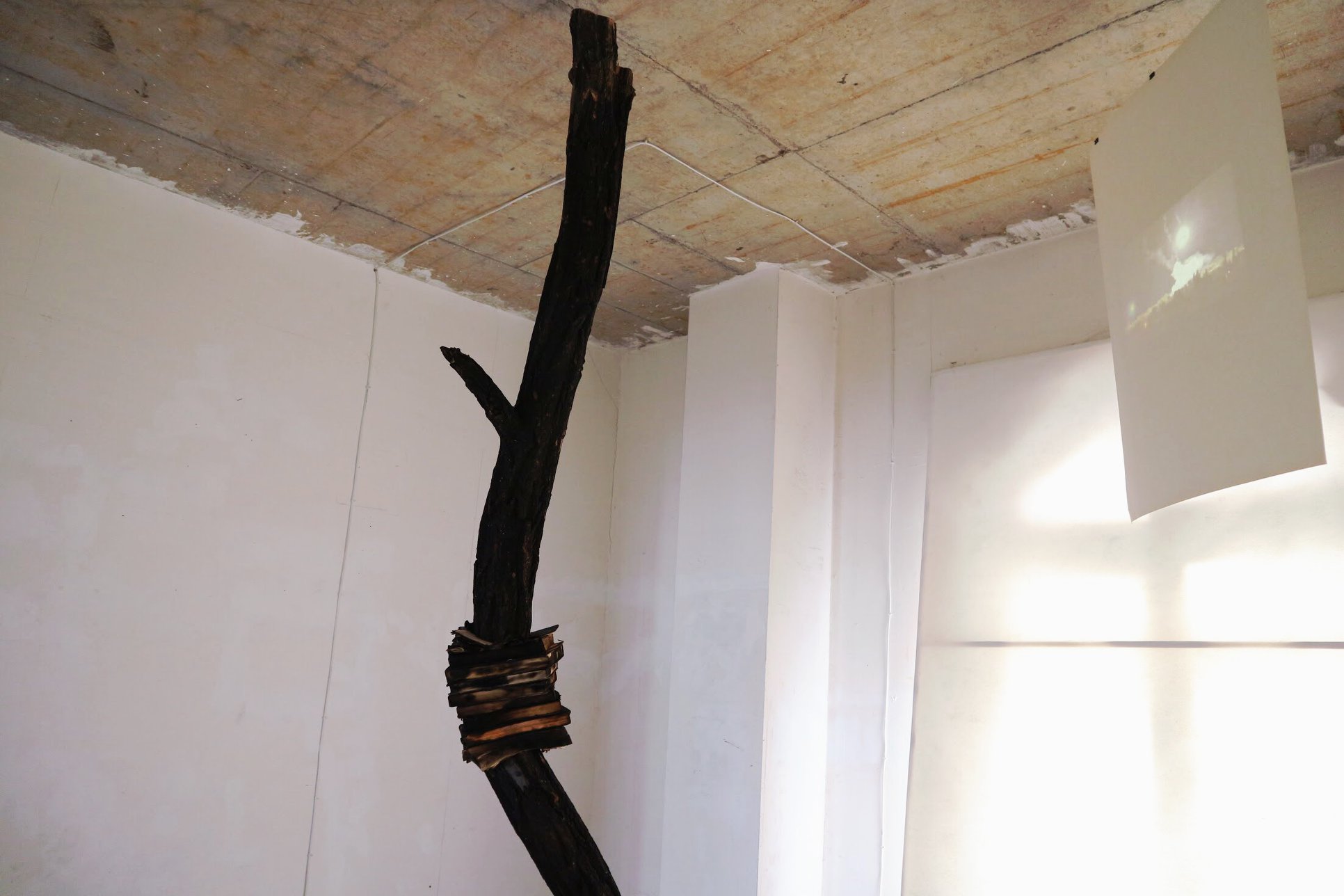
Выставка «Черные книги» наполнена образами огня и пепла. Веселое пламя охватывает пространство мирной жизни, а груда горелого материала занимает место записанной истории. В зазор между сожженными книгами и сожженными людьми, как порой кажется, можно вместить вполне комфортно проживаемую повседневность.

Вот артиллерийский обстрел, факельное шествие, сожженные галерея и кинотеатр, а также некоторые пожарища, о которых предпочтительно не вспоминать лишний раз.

Ценой мирной жизни в горящих домах является молчание. «Черные книги» не стремятся превратить описание этого состояния в траурную песнь. Скорее они пытаются обнаружить в языке молчания внутреннюю сложность, услышать скрытые сообщения.

Те, кто придут разгребать оставшиеся от нас угольки, будут лучше нас.

Размышления. Гарри Краевец

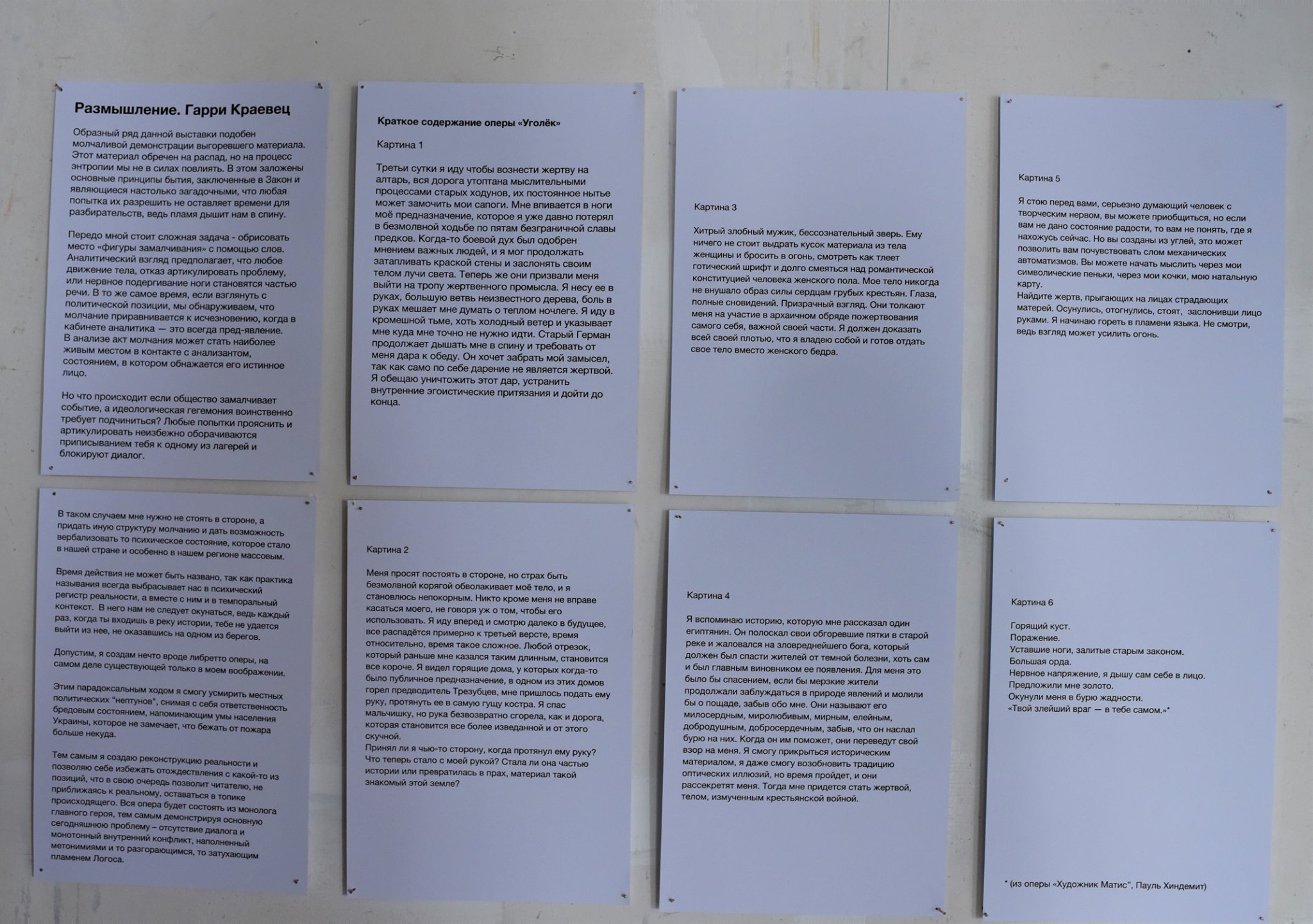
Образный ряд данной выставки подобен молчаливой демонстрации выгоревшего материала. Этот материал обречен на распад, но на процесс энтропии мы не в силах повлиять. В этом заложены основные принципы бытия, заключенные в Закон и являющиеся настолько загадочными, что любая попытка их разрешить не оставляет времени для разбирательств, ведь пламя дышит нам в спину.

Передо мной стоит сложная задача — обрисовать место «фигуры замалчивания» с помощью слов.

Аналитический взгляд предполагает, что любое движение тела, отказ артикулировать проблему, или нервное подергивание ноги становятся частью речи. В то же самое время, если взглянуть с политической позиции, мы обнаруживаем, что молчание приравнивается к исчезновению, когда в кабинете аналитика — это всегда предъ-явление.

В анализе акт молчания может стать наиболее живым местом в контакте с анализантом, состоянием, в котором обнажается его истинное лицо.

Но что происходит, если общество замалчивает событие, а идеологическая гегемония воинственно требует подчиниться? Любые попытки прояснить и артикулировать неизбежно оборачиваются приписыванием тебя к одному из лагерей и блокируют диалог.

В таком случаем мне нужно не стоять в стороне, а придать иную структуру молчанию и дать возможность вербализовать то психическое состояние, которое стало в нашей стране и особенно в нашем регионе массовым.

Время действия не может быть названо, так как практика называния всегда выбрасывает нас в психический регистр реальности, а вместе с ним и в темпоральный контекст. В него нам не следует окунаться, ведь каждый раз, когда ты входишь в реку истории, тебе не удается выйти из нее, не оказавшись на одном из берегов.

Допустим, я создам нечто вроде либретто оперы, на самом деле существующей только в моем воображении.

Этим парадоксальным ходом я смогу усмирить местных политических «нептунов», снимая с себя ответственность бредовым состоянием, напоминающим умы населения Украины, которое не замечает, что бежать от пожара больше некуда.

Тем самым я создаю реконструкцию реальности и позволяю себе избежать отождествления с какой-то из позиций, что в свою очередь позволит читателю, не приближаясь к реальному, оставаться в топике происходящего. Вся опера будет состоять из монолога главного героя, тем самым демонстрируя основную сегодняшнюю проблему — отсутствие диалога и монотонный внутренний конфликт, наполненный метонимиями и то разгорающимся, то затухающим пламенем Логоса.

ТВОРЧЕСКИЙ АКТ. КРАТКОЕ СОДЕРЖАНИЕ ОПЕРЫ
«УГОЛЁК»КАРТИНА 1

Третьи сутки я иду, чтобы вознести жертву на алтарь, вся дорога утоптана мыслительными процессами старых ходунов, их постоянное нытье может замочить мои сапоги. Мне впивается в ноги моё предназначение, которое я уже давно потерял в безмолвной ходьбе по пятам безграничной славы предков. Когда-то боевой дух был одобрен мнением важных людей, и я мог продолжать затапливать краской стены и заслонять своим телом лучи света. Теперь же они призвали меня выйти на тропу жертвенного промысла. Я несу ее в руках, большую ветвь неизвестного дерева, боль в руках мешает мне думать о теплом ночлеге. Я иду в кромешной тьме, хоть холодный ветер и указывает мне куда мне точно не нужно идти. Старый Герман продолжает дышать мне в спину и требовать от меня дара к обеду. Он хочет забрать мой замысел, так как само по себе дарение не является жертвой. Я обещаю уничтожить этот дар, устранить внутренние эгоистические притязания и дойти до конца.

КАРТИНА 2

Меня просят постоять в стороне, но страх быть безмолвной корягой обволакивает моё тело, и я становлюсь непокорным. Никто кроме меня не вправе касаться моего, не говоря уж о том, чтобы его использовать. Я иду вперед и смотрю далеко в будущее, все распадётся примерно к третьей версте, время относительно, время такое сложное. Любой отрезок, который раньше мне казался таким длинным, становится все короче. Я видел горящие дома, у которых когда-то было публичное предназначение, в одном из этих домов горел предводитель Трезубцев, мне пришлось подать ему руку, протянуть ее в самую гущу костра. Я спас мальчишку, но рука безвозвратно сгорела, как и дорога, которая становится все более изведанной и от этого скучной.

Принял ли я чью-то сторону, когда протянул ему руку? Что теперь стало с моей рукой? Стала ли она частью истории или превратилась в прах, материал такой знакомый этой земле?

КАРТИНА 3

Хитрый злобный мужик, бессознательный зверь. Ему ничего не стоит выдрать кусок материала из тела женщины и бросить в огонь, смотреть как тлеет готический шрифт и долго смеяться над романтической конституцией человека женского пола. Мое тело никогда не внушало образ силы сердцам грубых крестьян. Глаза, полные сновидений. Призрачный взгляд. Они толкают меня на участие в архаичном обряде пожертвования самого себя, важной своей части. Я должен доказать всей своей плотью, что я владею собой и готов отдать свое тело вместо женского бедра.

КАРТИНА 4

Я вспоминаю историю, которую мне рассказал один египтянин. Он полоскал свои обгоревшие пятки в старой реке и жаловался на зловреднейшего бога, который должен был спасти жителей от темной болезни, хоть сам и был главным виновником ее появления. Для меня это было бы спасением, если бы мерзкие жители продолжали заблуждаться в природе явлений и молили бы о пощаде, забыв обо мне. Они называют его милосердным, миролюбивым, мирным, елейным, добродушным, добросердечным, забыв, что он наслал бурю на них. Когда он им поможет, они переведут свой взор на меня. Я смогу прикрыться историческим материалом, я даже смогу возобновить традицию оптических иллюзий, но время пройдет, и они рассекретят меня. Тогда мне придется стать жертвой, телом, измученным крестьянской войной.

КАРТИНА 5

Я стою перед вами, серьезно думающий человек с творческим нервом, вы можете приобщиться, но если вам не дано состояние радости, то вам не понять, где я нахожусь сейчас. Но вы созданы из углей, это может позволить вам почувствовать слом механических автоматизмов. Вы можете начать мыслить через мои символические пеньки, через мои кочки, мою натальную карту.

Найдите жертв, прыгающих на лицах страдающих матерей. Осунулись, отогнулись, стоят, заслонив лицо руками. Я начинаю гореть в пламени языка. Не смотри, ведь взгляд может усилить огонь.

КАРТИНА 6

Горящий куст.

Поражение.

Уставшие ноги, залитые старым законом.

Большая орда.

Нервное напряжение, я дышу сам себе в лицо.

Предложили мне золото.

Окунули меня в бурю жадности.

«Твой злейший враг — в тебе самом». *

* (из оперы «Художник Матис», Пауль Хиндемит)

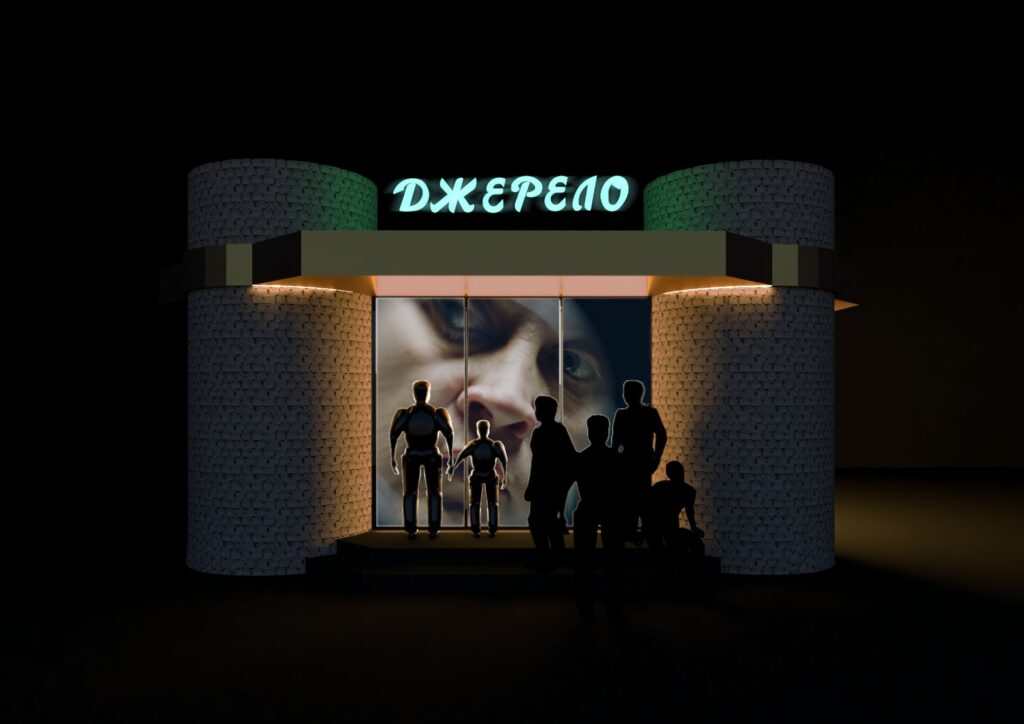
“MYSTERY”

performance, group therapeutic sessions, Dzherelo art space,
Kyiv, Ukraine, 2021

«As part of the exhibition «All Against You», by prior arrangement, Harri Kraievets held a «MYSTERY» for a limited group of people.
The action is based on the ancient tradition of the Eleusinian Mysteries, the essence of which was the experience of contact with the afterlife. In the process of «MYSTERY» the participant had to decide for himself whether he is ready to meet the underworld and his own shadow, and if so, what he is ready to part with in his life.
At the heart of this procedure is the idea of a paradoxical change that can happen to a person in the process of making such a decision. The participant discovers the superfluous, learns to negotiate and get what he wants. Anything can happen in a group process.

PERHAPS YOUR NEIGHBOR IS OMAR KHAYYAM?

PICKLE BAR, Berlin 2022

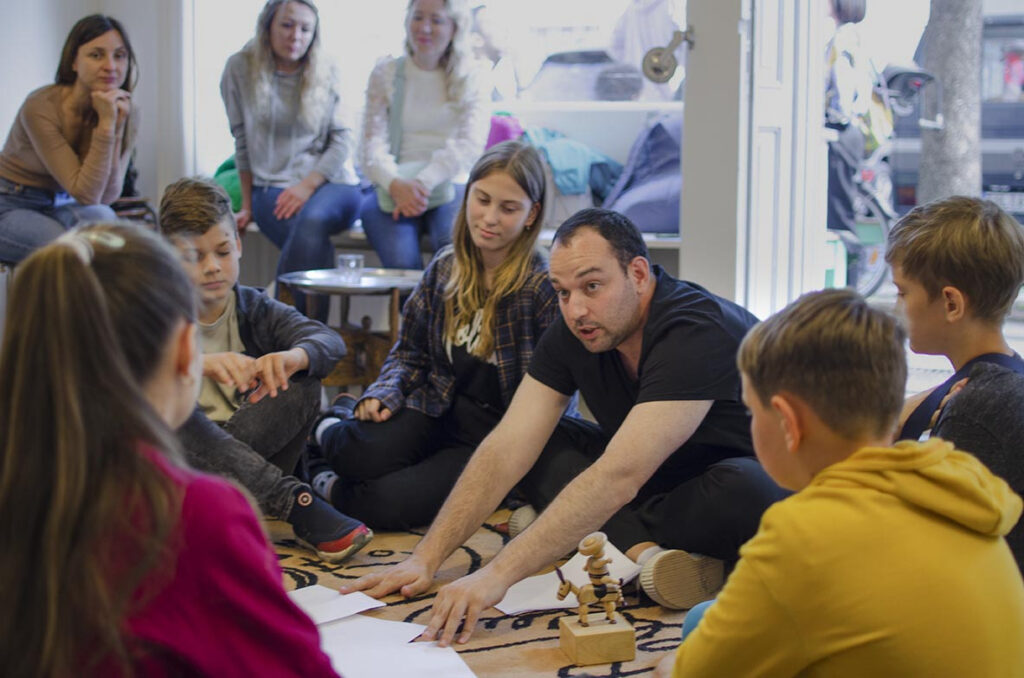
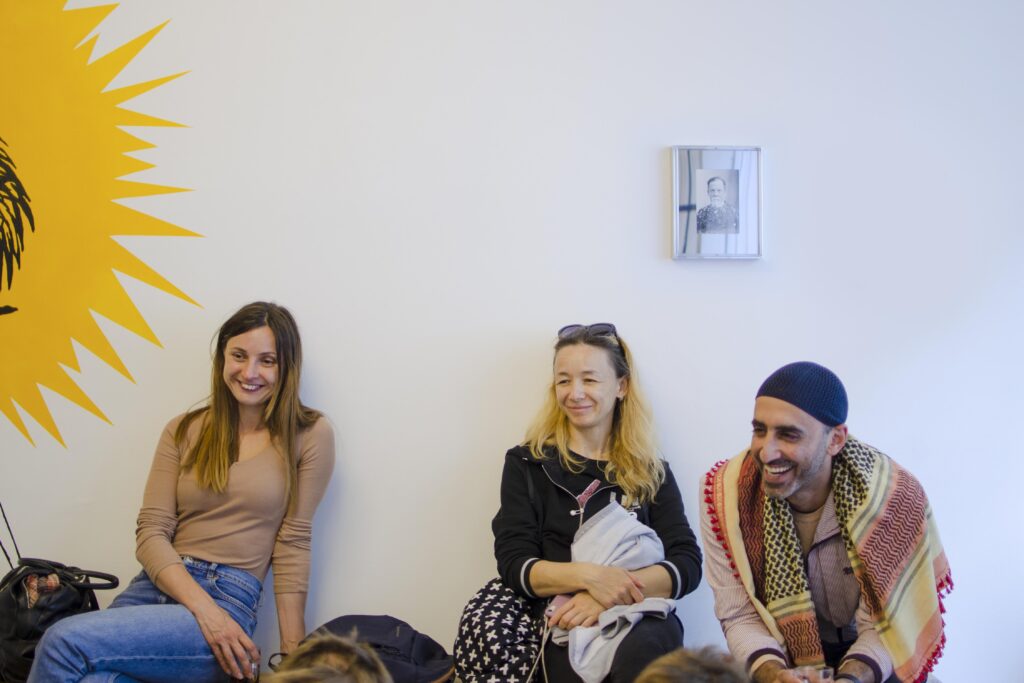
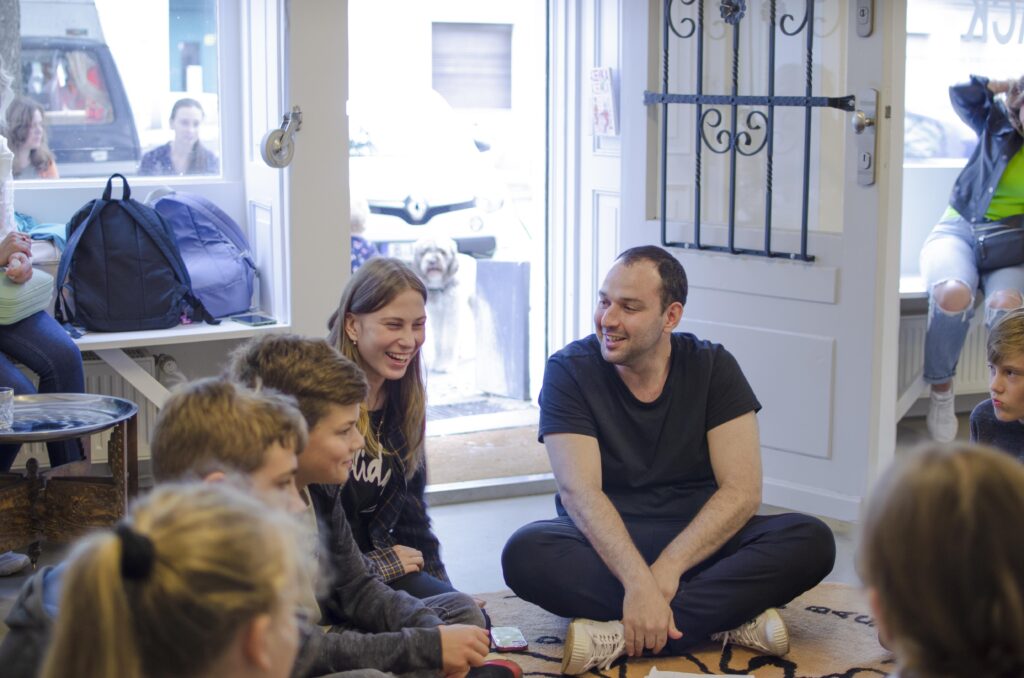
During this workshop, participants were learned to read the story in-depth, and look for meaning by asking questions. With the help of Nasreddin’s texts, one can practice the art of questioning. Hodge’s stories convey wisdom through simple words and life narratives that everyone can understand, especially children. It is an exciting journey for the search of meaning and interest in the world around us.
The master class was attended by children from Ukraine who fled from the war.